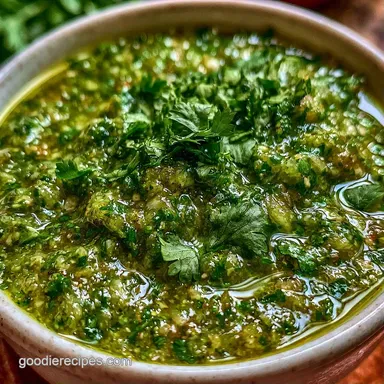
Creamy Tomatillo Sauce
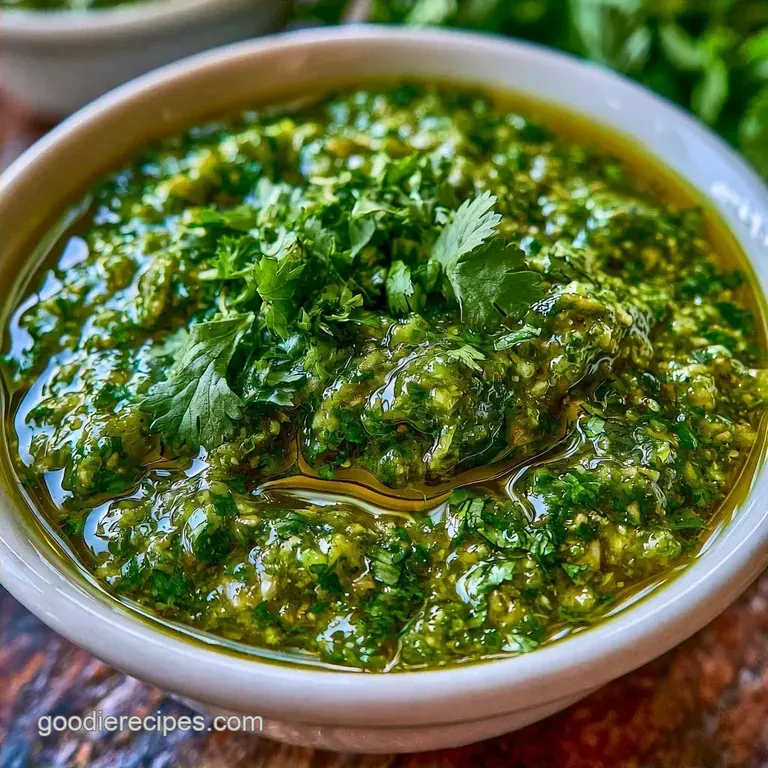
- Duration: 10 min active, 20 min cooking
- Taste & Feel: Bright, creamy, and tangy
- Ideal for: Taco night, enchiladas, or meal prepping
The aroma of simmering tomatillos is truly unmistakable. It’s a pungent, green scent that permeates the room, announcing that a bright and bold flavor is on the way. In Mexican cooking, this isn't merely an accompaniment; it's a cornerstone.
Whether served as a chunky salsa or a refined sauce, it offers a level of vibrancy that a traditional tomato sauce can't match.
I once assumed tomatillos were simply unripe tomatoes, but they are actually a different species entirely. They offer a brilliant mix of acidity and sweetness that cuts through richness beautifully. Once you nail the texture, it becomes a powerful tool for any home cook.
You can look forward to a sauce that tastes high end but is incredibly easy to make. This Tomatillo Sauce blends the characteristics of a rustic salsa and a sophisticated cream sauce, providing a zesty, fresh finish using basic pantry staples.
Tomatillo Sauce
Mellowing Acid: Simmering the produce for about 10 minutes breaks down the pectin and softens the sharp citrus notes.
The Oil Trick: Slowly adding oil while the blender runs creates an emulsion, which turns a watery blend into a thick, creamy sauce.
| Method | Time | Texture | Best For |
|---|---|---|---|
| Stovetop | 30 min | Smooth, Bright | Enchiladas & Tacos |
| Oven Roast | 45 min | Chunky, Smoky | Dipping & Chips |
This method relies on the interaction between the fruit's acidity and the vegetable oil. According to Serious Eats, controlling the temperature of your base helps maintain the vibrant color while removing the raw, metallic taste some tomatillos have.
Essential Recipe Specs
If you're looking for a specific result, use this guide to tweak your batch.
| Goal | What to change |
|---|---|
| More Heat | Add one extra jalapeño |
| Lower Acid | Simmer 5 minutes longer |
| Thicker Body | Reduce oil by 1 tbsp |
The Best Ingredients For Zest
The magic here is in the contrast. We use the sharpness of the lime and tomatillos to balance the richness of the oil.
The Produce Base The tomatillos provide the structure and tang. Use fresh, firm ones. The jalapeños bring the heat, but since we simmer them, the spice becomes more integrated and less aggressive. White onion and garlic add a savory depth that keeps the sauce from tasting like a fruit puree.
The Fresh Finish Cilantro adds that classic herbal note, while lime juice wakes everything up at the end. Cumin is a must here, as it adds an earthy, warm undertone that grounds the bright acidity of the Tomatillo Sauce.
The Emulsifier Neutral oil is what transforms the consistency. Don't use extra virgin olive oil here, as the strong flavor will clash with the delicate greens.
Essential Gear For Blending
Having these specific tools on hand will simplify the process.
- Medium Saucepan: Ensure it is large enough to fully submerge the tomatillos in water.
- Colander: Used for quickly draining the vegetables to prevent them from overcooking.
- High Speed Blender: A basic blender is fine, but a high performance model guarantees a perfectly smooth texture.
- Measuring Cups and Spoons: Vital for ensuring the salt and cumin proportions are accurate.
Bringing The Sauce Together
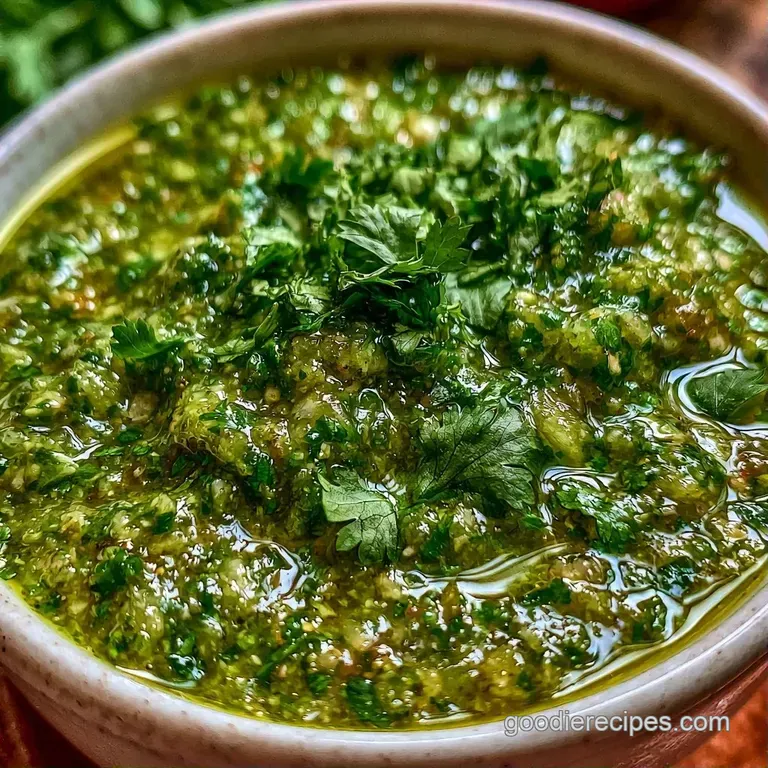
- Add the husked tomatillos, onion, garlic, and jalapeños to a medium saucepan.
- Pour in enough water to cover the vegetables and bring the pot to a boil. Note: Ensure the produce is fully submerged in water.
- Lower the heat to a simmer for 10-12 minutes until the tomatillos change from bright green to an olive shade.
- Strain the mixture through a colander.
- Place the cooked vegetables into the blender.
- Mix in the cumin, salt, fresh cilantro, and lime juice.
- Pulse until the ingredients are combined but still slightly chunky.
- Set the blender to medium low speed and slowly drizzle in the vegetable oil in a thin, steady stream. Note: This step creates the emulsion.
- Blend for another 30 seconds until the consistency is completely smooth and velvety.
Pro Tips and Pitfalls
Produce can be unpredictable. Some tomatillos are intensely tart, while others are more mellow. If your sauce tastes overly sharp, simply add a small pinch of sugar or extra salt to balance it out. Salt does more than season; it helps mask bitterness and cuts through harsh acidity.
Separation is another frequent hurdle, often caused by adding oil too rapidly. The oil and water based ingredients require a slow integration to bond. If this occurs, pulse the mixture again with a teaspoon of warm water to emulsify it.
Fixing a Too Tart Sauce
If the tomatillos are highly acidic, the result may taste lemony. A touch of salt or sugar will neutralize the sharpness.
Stopping Sauce Separation
This occurs when the oil fails to emulsify. Pour more slowly next time, or re-blend the sauce on high for 10 seconds.
Managing Extra Heat
If the jalapeños added too much kick, stir in a tablespoon of plain yogurt or crème fraîche.
| Problem | Root Cause | Solution |
|---|---|---|
| Sauce is too thin | Not enough oil or over simmered | Blend in more oil slowly |
| Color is dull brown | Overcooked produce | Simmer only until olive green |
| Taste is too raw | Under simmered vegetables | Simmer for another 3-5 minutes |
Ways to Swap Ingredients
This recipe is flexible and easy to adapt. For a more robust, charred profile, I recommend my Smoky Roasted Tomatillo Sauce instead.
Ingredient Swaps
- Jalapeños: Swap for serranos to increase the heat or poblanos for a milder, earthier flavor.
- Cilantro: If you are someone who finds cilantro tastes like soap, use flat leaf parsley. It maintains the green color, though it has less punch.
- Lime Juice: White vinegar works in a pinch, although its acidity is sharper than the bright, fruity taste of lime.
- Oil: Avocado oil is an excellent substitute for vegetable oil, as it offers a neutral flavor and a higher smoke point.
This Tomatillo Sauce is already plant based for those following a vegan diet. To achieve an even creamier, richer texture without using dairy, stir in a tablespoon of tahini.
Storage and Zero Waste
Store your sauce in a glass jar in the refrigerator. It stays fresh for about 5 days. Because of the acidity and the oil, it holds its color quite well, though a bit of separation is normal. Just give it a good shake or a quick stir before using.
Freezing Tips You can freeze this sauce for up to 3 months. I recommend using silicone muffin liners or ice cube trays to freeze small portions. Once frozen, pop them into a freezer bag. Thaw them in the fridge overnight before using.
Zero Waste Ideas Don't throw away the tomatillo husks if you have a compost bin, as they break down quickly. If you have leftover simmered onion and garlic from a larger batch, toss them into a vegetable stock. Also, any leftover cilantro stems can be finely chopped and added to a salsa or a marinade.
Best Ways to Serve
This is a highly versatile condiment. For the classic experience, use it as an easy Tomatillo Sauce for enchiladas. Pour it over filled tortillas and bake until bubbling. It also works as a dip for corn chips or a drizzle over grilled corn.
If you're looking for a protein pairing, this goes great with white fish. While I love a Butter Sauce Grilled Fish, switching the butter for this zesty green sauce adds a bright, Mexican inspired twist.
Flavor Map
- Bright: From lime and tomatillos.
- Earthy: From cumin and onion.
- Creamy: From the emulsified oil.
- Spicy: From the simmered jalapeños.
Common Misconceptions
Some people believe that tomatillos are just green tomatoes. That's simply not true. They belong to the goji berry family and have a completely different flavor profile and nutrient density.
Another myth is that you must roast the vegetables to get a good flavor. While roasting adds a smoky note, simmering creates a cleaner, brighter taste that lets the natural tang of the fruit shine. Simmering is actually the better choice for a smooth, creamy consistency.
Right then, you've got everything you need to make a bold, homemade Salsa Verde. Whether you use it for a quick weeknight meal or a big party, this Tomatillo Sauce brings a professional touch to the table. Trust me on this, once you stop buying the bottled stuff, you won't go back. Let's crack on and start blending.
Recipe FAQs
How to make a good tomatillo sauce?
Simmer husked tomatillos, jalapeños, onion, and garlic for 10 12 minutes. Once they turn an olive hue, blend them with cilantro, lime, salt, and cumin, then drizzle in vegetable oil for a smooth finish.
Is it true that tomatillos must be cooked before blending?
False. Raw tomatillos provide a brighter, more acidic punch, though simmering them creates a mellower and more integrated flavor.
Can a CKD patient eat tomatillos?
Yes, in moderation. They are generally lower in potassium than traditional tomatoes, but you should always confirm with your doctor regarding your specific dietary needs.
What is the difference between this and salsa verde?
The creamy emulsion. This sauce uses oil to create a thicker, smoother texture than a standard homemade green salsa.
Which simple meals use tomatillos?
Tacos, enchiladas, and grilled fish. They also work wonderfully as a zesty marinade for pork or chicken.
Why should the oil be added slowly?
To ensure a stable emulsion. Drizzling the oil in a thin, steady stream while blending prevents the sauce from separating and gives it a professional consistency.
Where can this sauce be stored?
Use a glass jar. It stays fresh for about 5 days in the refrigerator or up to 3 months in the freezer.
Creamy Tomatillo Sauce