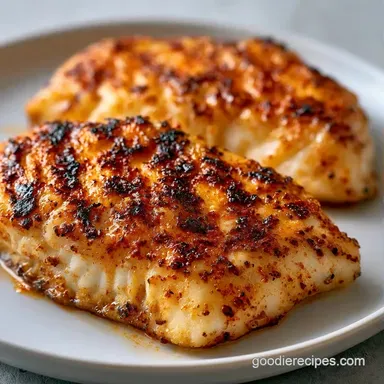
Simple Seasoned Grilled Fish in 11 Minutes
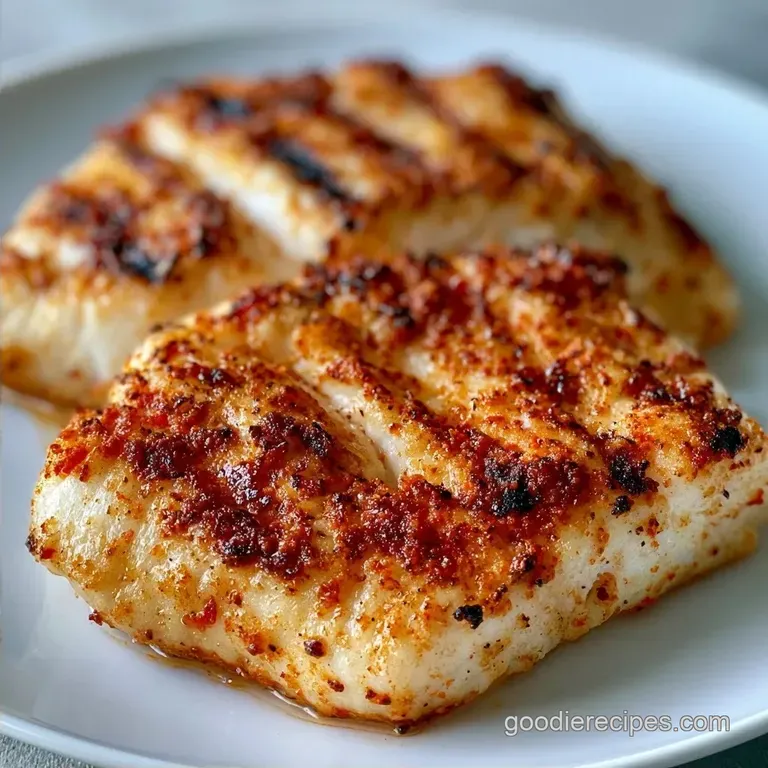
- Time: 5 min active + 6 min cook
- Flavor/Texture Hook: Smoky, charred crust with a flaky, moist interior
- Perfect for: A 15 minute weeknight dinner
That sharp hiss when the fish hits the grate is the sound of victory. For a long time, I hated grilling white fish because it always ended the same way. Either the fillet stuck to the grill and tore into shreds, or I overcooked it into a rubbery piece of cardboard.
It's frustrating when a meal that should be light and fresh turns into a stressful kitchen disaster.
The fix isn't a fancy gadget. It's about moisture control and heat. By drying the fish aggressively and using a butter lubricated grate, you stop the protein from bonding to the metal. This Simple Seasoned Grilled Fish recipe focuses on those tiny mechanical details that make the difference between a mess and a meal.
You can expect a dish that tastes like a summer cookout but takes less time than ordering takeout. We're using a basic spice blend that adds color and punch without masking the natural flavor of the fish. Right then, let's get into how to actually pull this off.
Simple Seasoned Grilled Fish
Dry Surface: Removing surface water prevents the fish from steaming, which allows it to brown in 3-4 minutes. High Heat: A 400°F grill creates a quick crust, ensuring the inside stays moist before the heat penetrates too deep.
| Feature | Fast Method (This Recipe) | Classic Slow Grill |
|---|---|---|
| Heat Level | High (400°F) | Medium Low |
| Cook Time | 6 minutes | 12-15 minutes |
| Texture | Charred edges, moist center | Uniformly cooked, softer |
| Best For | Thin fillets, weeknights | Thick steaks, slow afternoons |
What These Ingredients Do
| Ingredient | What It Does | Best Swap |
|---|---|---|
| Olive Oil | Carries spices and prevents sticking | Avocado oil (higher smoke point) |
| Paprika | Adds earthy flavor and deep red color | Smoked paprika for more campfire taste |
| Garlic Powder | Concentrated savory punch | Fresh minced garlic (though it burns faster) |
What You'll Need
For the seasoning paste: - 1 tbsp olive oil Why this? Helps spices stick and prevents drying. - 1 tsp kosher salt Why this? Coarser grains distribute better on fish. - 1/2 tsp cracked black pepper Why this? Adds a sharp, woody
Heat. - 1 tsp paprika Why this? Gives the fish a rich, golden brown look. - 1/2 tsp garlic powder Why this? Won't burn as easily as fresh garlic.
For the protein and finish: - 2 (6 oz) white fish fillets (Cod, Halibut, or Tilapia) Why this? Mild flavor, holds shape well. - 1 tbsp melted butter Why this? Lubricates the grill grates. - 1 whole lemon Why this? Acid cuts through
The fat and brightens the fish.
Tools for the Job
You don't need a professional kitchen, but a few specific tools make this easier. A fish spatula is a lifesaver here. Because it's thinner and wider than a standard turner, it slides under the fillet without breaking the crust.
I also suggest using heavy duty paper towels. You need to get that fish bone dry. If you have a meat thermometer, that's great, but you can also rely on the "opaque" look. According to Serious Eats, fish is generally done when it reaches an internal temperature of 140-145°F, though some prefer it slightly lower for a moister result.
The Cooking Process
Phase 1: Preparing the Surface
Pat the fish fillets aggressively with paper towels until the surface is completely dry. Use a sharp knife to make two shallow slits, about 1/4 inch deep, across the thickest part of each fillet. This helps the seasoning penetrate and prevents the fish from curling up.
Phase 2: Applying the Seasoning
In a small bowl, whisk together the olive oil, salt, pepper, paprika, and garlic powder into a thick paste. Brush a thin, even layer of this seasoning over both sides of the fillets. Don't glob it on, or it'll just slide off in the heat.
Phase 3: The over High heat Sear
Preheat the grill to high, roughly 400°F (200°C). Just before adding the fish, brush the grates with melted butter. This creates a non stick barrier.
Place the fillets carefully on the heat. Sear for 3-4 minutes without moving them until the fish naturally releases from the grate. If you tug and it resists, give it another 30 seconds.
Flip the fillets gently with your fish spatula. Cook for another 2-3 minutes until the interior is opaque and flakes easily. Serve immediately with fresh lemon wedges.
Chef Note: If you're using a gas grill, keep one small area on medium heat. If you see a flare up from the oil, slide the fish over to the cooler zone for a second.
Solving Common Issues
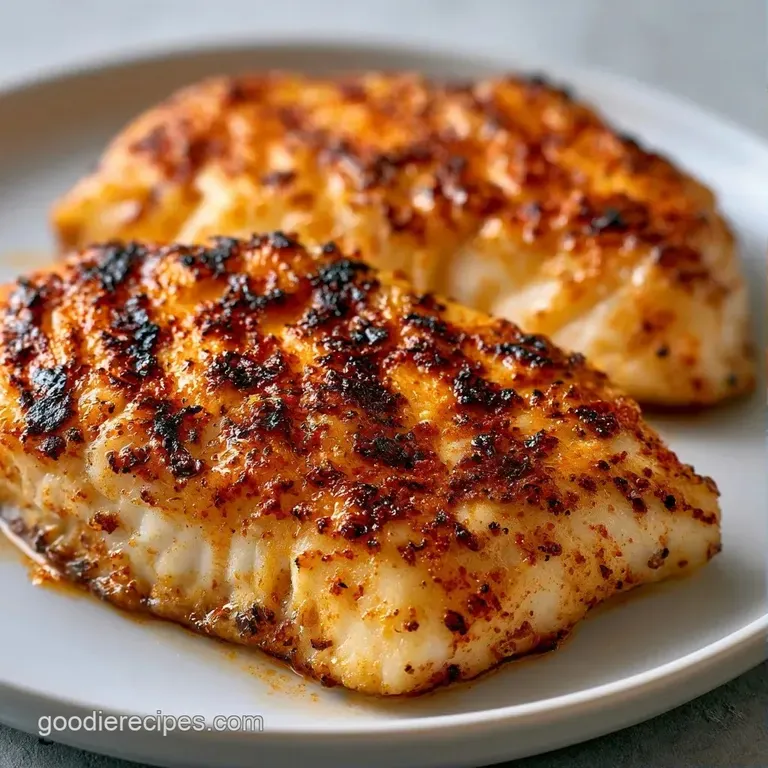
Troubleshooting Common Issues
| Issue | Solution |
|---|---|
| Why Your Fish Sticks | Sticking happens when the proteins bond to the metal grates. This usually means the grill wasn't hot enough or the fish was too damp. |
| Why Your Fish is Rubbery | Rubbery fish is just overcooked protein. Once the moisture evaporates, the fibers tighten up. Since this is a Simple Seasoned Grilled Fish recipe, the high heat is meant to be fast. |
| Why the Seasoning Burnt | If your paprika turns black, your grill is likely way above 400°F. Keep an eye on the flames. If it's too hot, move the fish to the edges of the grill. |
Swaps and Variations
If you want to change the vibe, you can easily tweak the seasoning. For a zesty Garlic Grilled Fish version, double the garlic powder and add a pinch of onion powder. If you're looking for something with a kick, swap the paprika for Cajun seasoning.
For those on a Keto diet, this recipe is already spot on. Just avoid any honey based glazes. If you want to try a different protein, salmon works well, but you'll need to increase the cook time by 2-3 minutes per side since it's usually thicker than white fish.
If you enjoy these kinds of fast flavors, you might like my Stir Fry Sauce for your veggie sides.
Scaling Your Batch
Cooking for one: Use a smaller pan or a dedicated corner of the grill. Reduce the seasoning paste by half. The cook time stays the same, but keep a close eye on it since smaller fillets can overcook in seconds.
Feeding a crowd (4-6 people): Don't crowd the grill. If you put too many fillets on at once, the temperature drops and the fish will steam instead of sear. Work in batches.
I recommend making the seasoning paste in a larger bowl and prepping all fillets, but only oiling the grates right before each batch goes on.
For the spices, don't just double everything. I find that salt and paprika should only be increased to 1.5x for a double batch to keep the flavor balanced.
Debunking Fish Myths
Searing does not "seal in the juices." That's a common misconception. Moisture loss happens throughout the entire cooking process regardless of the heat. The sear is actually about flavor and texture. It creates a savory crust that tastes better than steamed fish.
Also, you don't need to soak fish in milk to remove "fishy" smells. That's an old school trick that doesn't do much for fresh, high-quality fillets. The best way to handle the scent is a squeeze of fresh lemon and a proper sear.
Storage and Leftovers
Fridge Guidelines: Store leftover grilled fish in an airtight container for up to 2 days. To keep it from drying out, place a damp paper towel over the fish before sealing the lid.
Reheating: Avoid the microwave. It turns fish into rubber. Instead, put the fillets in a toaster oven or a pan over medium low heat with a tiny bit of butter for 2-3 minutes. Just enough to warm it through.
Zero Waste Tips: Don't toss the lemon rinds. Zest them into your salad or freeze the rinds in a bag to flavor your homemade stocks. If you have leftover seasoning paste, it's great as a rub for grilled shrimp or scallops.
Best Side Dish Pairings
This Simple Seasoned Grilled Fish is light, so it pairs well with something a bit more substantial. I love serving it with a side of roasted asparagus or a crisp cucumber salad.
For a more filling meal, a side of Lemon Pasta is a great choice. The butter and citrus in the pasta mirror the flavors of the fish. If you want something fresh, a quinoa salad with parsley and feta balances the smokiness of the grill.
Right then, you've got everything you need to stop fearing the grill. Just remember: pat it dry, butter the grates, and don't touch the fish until it's ready to move. Enjoy!
Recipe FAQs
What is a good seasoning to put on grilled fish?
A paste of olive oil, paprika, garlic powder, salt, and pepper. This blend creates a savory crust and protects the meat from drying out during the sear.
What should I put on fish before grilling to prevent sticking?
Brush melted butter on the grates and a thin layer of seasoning paste on the fillets. Patting the fish aggressively dry before seasoning also prevents proteins from bonding to the metal.
What is the easiest fish to grill?
White fish fillets. They are sturdy enough to handle high heat but cook quickly, making them ideal for a fast, foolproof meal.
How to cook fish for diabetes type 2?
Use lean white fish fillets and season with olive oil and dry spices. Avoiding sugary glazes or honey based marinades helps maintain a low glycemic index.
Why does my fish stick to the grill?
The grill is likely under 400°F or the fish surface was too damp. High heat is essential for the proteins to sear and release naturally from the grate.
How to reheat leftover grilled fish?
Warm in a toaster oven or pan over medium low heat for 2-3 minutes. Avoid the microwave, as it overcooks the fish and creates a rubbery texture.
What goes well with grilled fish?
Fresh steamed vegetables or a light grain salad. If you enjoy balancing these clean, fresh flavors, the same principle works in our vegetable barley soup.
Simple Seasoned Grilled Fish