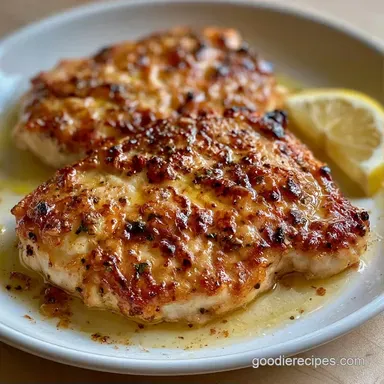
Keto Grilled Fish Fillet with Butter Glaze
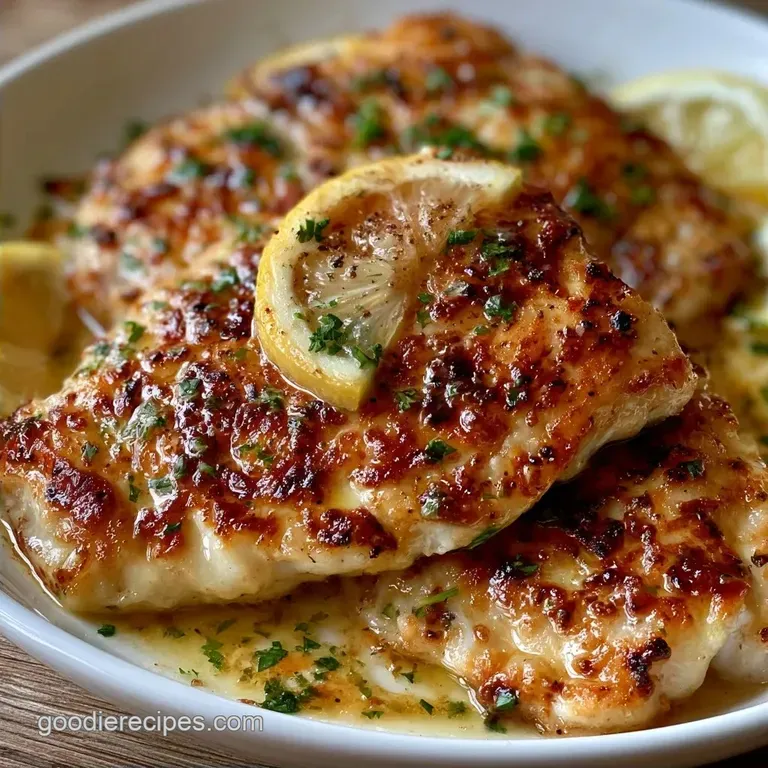
- Time: 10 min active + 10 min cook
- Flavor/Texture Hook: Golden brown crust with a zesty lemon finish
- Perfect for: Fast weeknight dinners or high protein meal prep
Imagine it's a humid Tuesday evening. You've had a long day, you're starving, but you've promised yourself to stick to your macros. You want something that feels like a restaurant meal but takes less time than ordering takeout.
That's where this Keto Grilled Fish Fillet comes in. It's the kind of meal you make when you need a win in the kitchen without spending an hour scrubbing pans. The smell of charred lemon and garlic hitting the grill is enough to make anyone in the house wander into the kitchen.
We're focusing on efficiency here. By using a high smoke point oil and a quick butter based glaze, you get a punchy flavor and a flaky interior in under 25 minutes.
Keto Grilled Fish Fillet Specs
To get this right, precision is everything. Most people overcook fish because they guess the timing, but for this Keto Grilled Fish Fillet, we follow the clock and the visual cues.
The goal is a small amount of resistance when you press the center, meaning the proteins have set but the moisture remains. According to Serious Eats, using a meat thermometer to hit an internal temp of 130-140°F (54-60°C) for white fish ensures it doesn't turn into rubber.
| Method | Time | Texture | Best For |
|---|---|---|---|
| Fast Grill | 10 mins | Charred & Flaky | Weeknights |
| Classic Bake | 20 mins | Soft & Uniform | Large Crowds |
Ingredient Deep Dive
The choice of fish determines how the fillets handle the heat. I prefer Cod or Halibut because they have a thicker flake that doesn't disintegrate on the grates.
Fat Content: We use avocado oil for the grill because it doesn't smoke until it hits 520°F. Butter is reserved for the glaze because it adds flavor but burns too quickly if used as the primary searing fat.
| Ingredient | What It Does | Best Swap |
|---|---|---|
| White Fish | Main protein | Salmon (adds more fat) |
| Avocado Oil | Prevents sticking | Ghee (high smoke point) |
| Melted Butter | Carries flavor | Olive oil (less rich) |
| Lemon Juice | Cuts through fat | Lime juice (zestier) |
Equipment Needed
You don't need a professional kitchen, but a few specific tools make the process cleaner. A grill brush is non negotiable. If your grates have old residue, the fish will bond to the metal and tear when you flip it.
I also recommend a silicone brush for the glaze. It holds more liquid than a standard basting brush, meaning you spend less time dipping and more time watching the fish. If you're using an indoor grill pan, make sure it's cast iron for the best heat retention.
The Cooking Process
The key to a great Keto Grilled Fish Fillet is moisture control. If the fish is damp, it steams instead of searing. You'll see the fish "release" from the grill naturally once the crust forms.
1. Preparing the Fillets
Pat the fish fillets completely dry with paper towels. Note: Moisture on the surface prevents browning. Season both sides evenly with 1/2 tsp sea salt and 1/4 tsp cracked black pepper.
2. Creating the Infused Glaze
In a small bowl, whisk together 3 tbsp melted unsalted butter, 1 tbsp fresh lemon juice, 1 minced garlic clove, 1 tsp dried oregano, and 1/2 tsp paprika. This creates a fat based emulsion that clings to the fish.
3. The Searing Process
Preheat the grill to medium high heat. Brush the grates with 1 tbsp avocado oil. Place fillets on the grill and cook undisturbed for 3-5 minutes until a golden brown crust forms and the fish releases easily.
4. Finishing and Resting
Carefully flip the fillets. Immediately brush the cooked side with the lemon herb glaze. Cook for another 3-5 minutes until the fish is opaque and flakes easily with a fork. Remove from heat and let the fillets rest for 2 minutes.
Chef: If the fish sticks when you try to flip it, leave it alone for another 60 seconds. It will naturally let go once the proteins have browned enough.
What Can Go Wrong
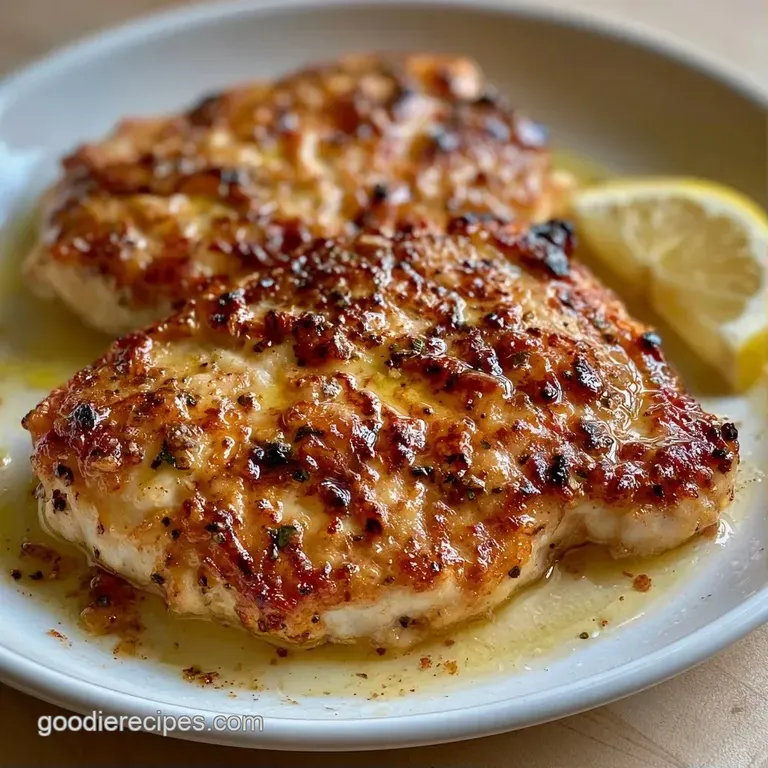
Most fish failures happen because of temperature swings or surface moisture. If the grill isn't hot enough, the fish sticks. If it's too hot, the outside burns before the center cooks.
Troubleshooting Common Issues
| Issue | Solution |
|---|---|
| Why Your Fish Sticks | This usually happens if the grill wasn't preheated or if you tried to flip the fillet too early. The fish needs to form a crust to release. |
| Why Your Fillets Break | Over handling the fish or using a fillet that is too thin can cause it to fall apart. Use a wide spatula and flip only once. |
| Why Your Fish Is Dry | This is almost always due to overcooking. White fish goes from "done" to "rubber" in about 90 seconds. |
Flavor Variations to Try
While the lemon butter version is a staple, you can easily swap the glaze to change the profile. This recipe is a great base for other low carb fish options.
Mediterranean Twist: Replace oregano with fresh parsley and add a pinch of sumac to the glaze.
Cajun Spice Kick: Swap paprika for a Cajun seasoning blend. I find that adding a dash of cayenne creates a nice heat that pairs well with the butter.
Pesto Infusion: Stir a tablespoon of basil pesto into the melted butter. This makes the dish feel more like a gourmet meal and increases the healthy fat count.
Dairy-free Alternative: Use melted coconut oil or a vegan butter substitute. The flavor changes slightly toward a nuttier profile, but the texture remains the same.
Keeping It Fresh
Grilled fish is best eaten immediately, but it can be stored if you're meal prepping. I usually store mine in airtight glass containers to prevent the fish from picking up fridge odors.
Storage: Keep in the fridge for up to 2 days. Do not freeze already grilled fish, as the texture becomes grainy and dry upon reheating.
Reheating: Avoid the microwave, which overcooks the edges. Instead, place the fillet in a 300°F (150°C) oven for 5-8 minutes, or warm it in a skillet with a teaspoon of butter.
Zero Waste: If you have leftover glaze, don't toss it. It's a great base for sautéing spinach or asparagus. You can also use the lemon rinds from the juice to zest over a salad.
Serving Suggestions
Because this Keto Grilled Fish Fillet is so lean, it pairs well with high fat, low carb sides. I usually go for something green and buttery.
A side of sautéed kale or roasted cauliflower works well here. If you want something more substantial, try serving it over a bed of cauliflower rice. For another variation, you might like a lemon sauce fish if you prefer a more liquid accompaniment.
Decision Shortcut:
- If you want a light lunch, pair with a arugula salad and avocado.
- If you want a filling dinner, add sautéed spinach and a side of garlic butter mushrooms.
- If you're meal prepping, pair with steamed broccoli.
The One Thing That Changes Everything
The real difference between a mediocre fish and a great one is the "rest." Most people pull the fish off the grill and eat it immediately, but the heat is still moving toward the center.
The Resting Phase: Letting the fish sit for 2 minutes allows the internal temperature to stabilize. This prevents the juices from running out the moment you cut into it.
Fat Based Barrier: The butter glaze doesn't just add flavor. It creates a moisture barrier that prevents the air from drying out the surface of the fish while it rests.
Heat Management: Using avocado oil instead of olive oil is a technical choice. Olive oil has a lower smoke point, which creates acrid smoke and a bitter taste if the grill is truly hot. Stick to oils that can handle the heat to keep the flavor clean.
Recipe FAQs
Is grilled fish good for keto?
Yes, it is a perfect choice. Fish is naturally carb free and high in protein, fitting seamlessly into a ketogenic lifestyle.
What fish is best on keto?
Cod, Halibut, and Mahi Mahi. These white fish are low-carb and absorb the flavor of the lemon herb glaze exceptionally well.
Which fish has no carbs?
Almost all fresh fish. Fillets like Cod and Halibut contain negligible carbohydrates, meaning they won't impact your ketosis.
What oil is best for cooking fish on keto?
Avocado oil. It has a very high smoke point, which prevents the oil from burning when grilling at medium high heat.
How to make delicious grilled fish?
Pat the fillets completely dry with paper towels before seasoning. Grill undisturbed for 3 5 minutes on medium high heat to form a crust before flipping and glazing.
What are healthy side dishes to serve with fish fillets?
Steamed asparagus or sautéed spinach. If you enjoyed mastering the sear and release technique here, apply the same principle to our stovetop grill pan for other fast cooking proteins.
How do you cook fish (no seasoning)?
Brush the grill grates with avocado oil and preheat to medium high. Place the plain fillets on the grill and cook for 3 5 minutes per side until the meat is opaque and flakes easily.
Keto Grilled Fish Fillet