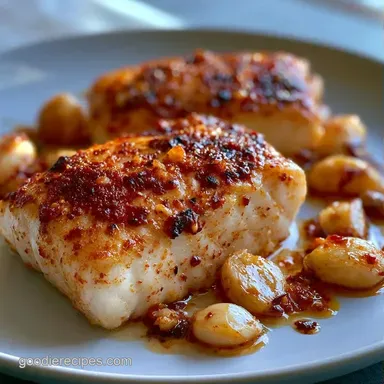
Oven Baked Grilled Fish with Garlic and Lemon
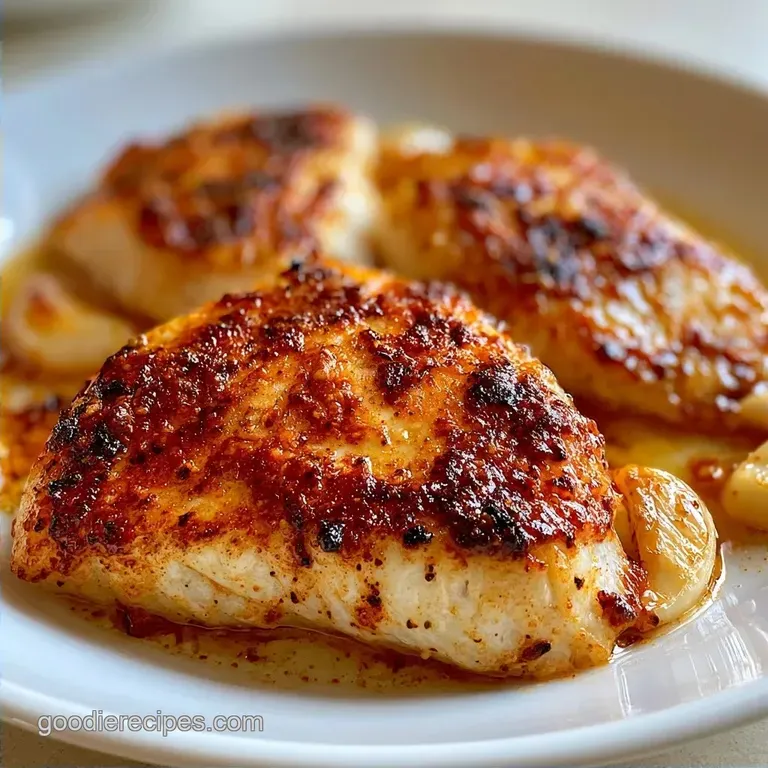
- Time: 10 min active + 15 min cooking
- Flavor/Texture Hook: Smoky, charred edges with a tender center
- Perfect for: Fast weeknight dinners or low carb meal prep
Sizzle. That's the sound of fish hitting a hot pan. For years, I thought you needed a charcoal grill or a fancy outdoor setup to get those charred edges and a smoky depth. I once tried to "grill" white fish on a cheap indoor electric grill, and it ended up tasting like plastic and filling my entire apartment with acrid smoke.
Forget the idea that you need a backyard setup for a grilled effect. You can get the same result in your kitchen if you use the oven's heat correctly. This approach gives you the flavor of a grill without the cleanup or the stress of fish sticking to the grates.
You can expect a meal that looks like it came from a bistro but takes less than 40 minutes from start to finish. Oven Baked Grilled Fish is all about managing the heat so the outside browns before the inside dries out.
Oven Baked Grilled Fish
Right then, the most important part of this recipe isn't the fish itself, but how you treat the pan. Most people put fish on a cold tray and slide it into the oven, which basically steams the fish. That's why you get that soggy bottom. By heating the tray first, we create an immediate sear.
This technique is a lifesaver for weeknight meals. It's fast, and because we use a high temperature, the cook time is minimal. You don't have to stand over a stove flipping fillets and worrying if they'll break apart.
Why This Method Works
Hot Tray: Putting fish on a preheated baking sheet mimics a grill, searing the bottom instantly.
The Broil Finish: Switching to the broiler at the end caramelizes the paprika and garlic for that smoky look.
Surface Dryness: Removing moisture from the fish prevents steaming, which is why Serious Eats emphasizes drying proteins for a better crust.
| Method | Time | Texture | Best For |
|---|---|---|---|
| Stovetop Pan | 10 mins | Crispy skin | Single fillets |
| Standard Bake | 20 mins | Soft/Steamed | Large batches |
| Oven Grilled | 15 mins | Charred/Firm | High flavor/Low effort |
Essential Ingredient Breakdown
Every ingredient here has a specific job. If you skip the smoked paprika, you lose the "grilled" illusion. If you forget the lemon juice, the fish tastes flat.
| Ingredient | What It Does | Best Swap |
|---|---|---|
| Smoked Paprika | Adds charred, smoky flavor | Chipotle powder (spicier) |
| Lemon Juice | Cuts through the fat/brightness | Lime juice |
| Avocado Oil | High heat stability for the pan | Grapeseed oil |
| Garlic | Provides a savory, pungent base | Garlic powder (1/3 tsp) |
The Full Ingredient List
Get everything measured out before you start. Once that tray is hot, you need to move fast.
- 1 lb white fish fillets (Cod, Halibut, or Mahi Mahi) Why this? Firm white fish holds up best to high heat.
- 1 tbsp avocado oil Why this? High smoke point prevents burning on the tray.
- 2 tbsp extra virgin olive oil Why this? Carries the flavors of the garlic and herbs.
- 1 tbsp fresh lemon juice Why this? Adds acidity to balance the smoke.
- 3 cloves garlic, minced Why this? Fresh garlic chars beautifully under the broiler.
- 1 tsp smoked paprika Why this? This creates the "grilled" taste and color.
- 1/2 tsp kosher salt Why this? Enhances all other flavors.
- 1/4 tsp cracked black pepper Why this? Adds a slight bite.
- 1 tsp dried oregano Why this? Earthy contrast to the lemon.
Step by step Cooking
Let's crack on. Make sure your fish is thawed completely before starting.
- Lay the fish fillets on a plate and pat them aggressively with paper towels until the surface is completely matte. Note: Wet fish will steam, not sear.
- In a small bowl, whisk together olive oil, lemon juice, minced garlic, smoked paprika, salt, pepper, and oregano until fully mixed.
- Use a pastry brush to apply a generous layer of the marinade to all sides of the fish fillets. Let them sit at room temperature for 10 minutes.
- Preheat oven to 425°F (218°C) with a large rimmed baking sheet inside to ensure the surface is hot.
- Carefully remove the hot sheet, line it with parchment paper, and lightly brush the paper with avocado oil.
- Place the fillets on the hot tray and bake for 12–15 minutes, until the fish is opaque and flakes easily with a fork.
- Switch the oven to 'Broil' for the final 2 minutes, watching closely until the edges are mahogany colored and the top is bubbling.
- Remove from oven and allow the fish to rest for 3 minutes before serving to allow internal temperatures to stabilize.
Fixing Common Fish Fails
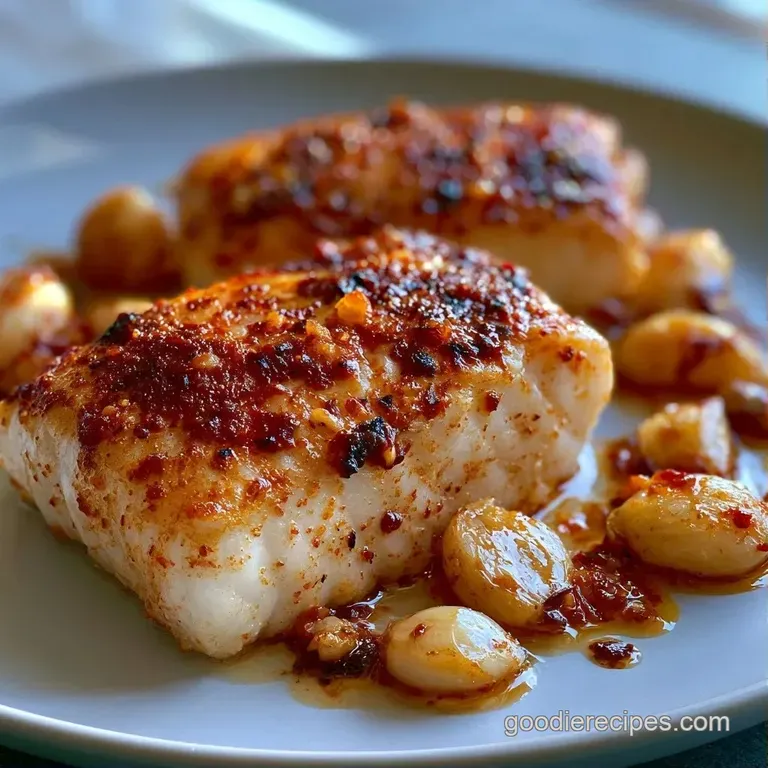
Most people struggle with fish because it's easy to overcook. If your fish is rubbery, you've likely gone a few minutes too long. Use a meat thermometer to hit 145°F internally.
Why Your Fish Sticks
If the fish clings to the parchment, it's usually because the oil wasn't distributed evenly or the fish was too wet. The avocado oil creates a barrier, but you must brush the paper well.
Stopping the Rubber Texture
Rubbery fish happens when the proteins tighten too much from overheating. Trust the timing, and remember that carryover heat will finish the cooking during the 3 minute rest.
Why Your Fish Dries
This often happens if you skip the marinade or use a fillet that is too thin. Thinner cuts need 11–12 minutes, while thicker ones need the full 15.
| Problem | Root Cause | Solution |
|---|---|---|
| Soggy Bottom | Cold baking sheet | Preheat tray in oven |
| Pale Color | No broiler step | Broil for final 2 mins |
| Dry Flakes | Overcooked | Remove 2 mins early |
Adjusting Your Portion Size
Cooking Oven Baked Grilled Fish for one person or a crowd requires a few tweaks. You can't just double the time, or you'll end up with fish jerky.
For a smaller batch (1/2 lb), use a smaller baking sheet so the heat stays concentrated. Reduce your baking time by about 20%, as smaller volumes of protein heat up faster.
If you're doubling the recipe to 2 lbs, work in batches if your tray is small. If you crowd the pan, the fillets will release moisture and steam each other. If you must use one big tray, increase the bake time by 3–5 minutes and ensure there's an inch of space between each fillet.
Common Cooking Myths
You might hear that you need to "seal in the juices" by searing the fish first. This is a myth. Searing adds flavor and color, but it doesn't create a waterproof seal. Moisture loss happens regardless of how you start.
Another common mistake is thinking that frozen fish can't be "grilled" in the oven. You can, but you must thaw it completely. Cooking from frozen will lead to an uneven result where the outside is burnt and the middle is still icy.
Storage and Waste Tips
If you have leftovers, store them in an airtight container in the fridge for up to 2 days. To reheat, don't use the microwave, as it makes fish rubbery. Instead, put the fillets back in a 300°F oven for 5–8 minutes.
For the freezer, wrap the cooked fillets tightly in foil and then a freezer bag for up to 2 months. Thaw overnight in the fridge before reheating in the oven.
To avoid waste, save any leftover marinade for a quick salad dressing. If you have fish scraps or skin, toss them in a pan with a bit of oil and salt to make homemade fish crackers.
Best Side Dish Pairs
Since this dish has a smoky, zesty profile, you want sides that provide a fresh or earthy contrast. A simple quinoa salad with cucumber and feta works well.
If you want something crunchy, a Roasted Chickpeas recipe is a great choice. The nuttiness of the chickpeas complements the smoked paprika on the fish perfectly.
For a more filling meal, serve it alongside steamed asparagus or sautéed spinach. The bitterness of the greens cuts through the richness of the olive oil marinade. This Oven Baked Grilled Fish is versatile, so feel free to swap sides based on what's in your fridge.
High in Sodium
890 mg 890 mg of sodium per serving (39% 39% of daily value)
The American Heart Association recommends a daily sodium limit of 2,300mg for most adults to maintain heart health.
Tips to Reduce Sodium
-
Eliminate Added Salt-25%
The kosher salt is the primary sodium source; omit it entirely or replace it with a sodium free salt alternative.
-
Increase Citrus Acid-10%
Double the fresh lemon juice to provide a zesty acidity that helps the palate perceive saltiness without the actual sodium.
-
Boost Aromatics-5%
Increase the amount of minced garlic to add more pungent, savory depth to the fillets.
-
Enhance Dried Herbs
Use a larger quantity of dried oregano and smoked paprika to build a robust flavor profile without adding salt.
Recipe FAQs
How to cook grilled fish in the oven?
Pat fish dry, apply marinade, and bake at 425°F for 12 15 minutes. Finish with a 2-minute broil for a mahogany crust and rest the fillets for 3 minutes.
Is it better to bake fish at 350 or 400?
No, 425°F is the optimal temperature. Higher heat ensures the fish sears rather than steams, which is essential for a grilled texture.
How to cook fish for diabetics or those with high cholesterol?
Use heart healthy fats like the olive and avocado oil used here. This recipe avoids added sugars and focuses on unsaturated fats to support dietary needs.
Do you cook fish skin side up or down?
Skin side down. This allows the skin to crisp against the hot baking sheet while protecting the delicate flesh from direct heat.
How to cook fish without any seasoning?
Pat the fillets completely dry and bake at 425°F on a preheated, oiled tray. Follow the same timing as the seasoned version for a clean, natural taste.
How to make delicious grilled fish in the oven?
Ensure the fillets are matte dry and use a preheated baking sheet. This combination creates the necessary sear and bubbling top that mimics a real grill.
What pairs best with this baked fish?
A citrusy side dish. If you enjoyed the bright acidity here, see how the same flavor profile works in our lemon pasta.
Oven Baked Grilled Fish