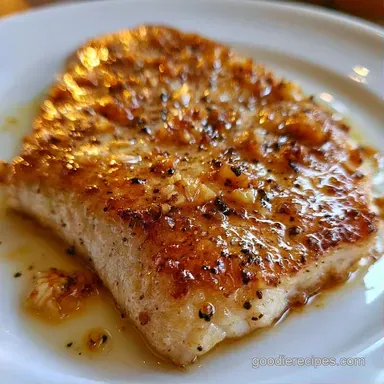
Garlic Oven Grilled Fish with Butter
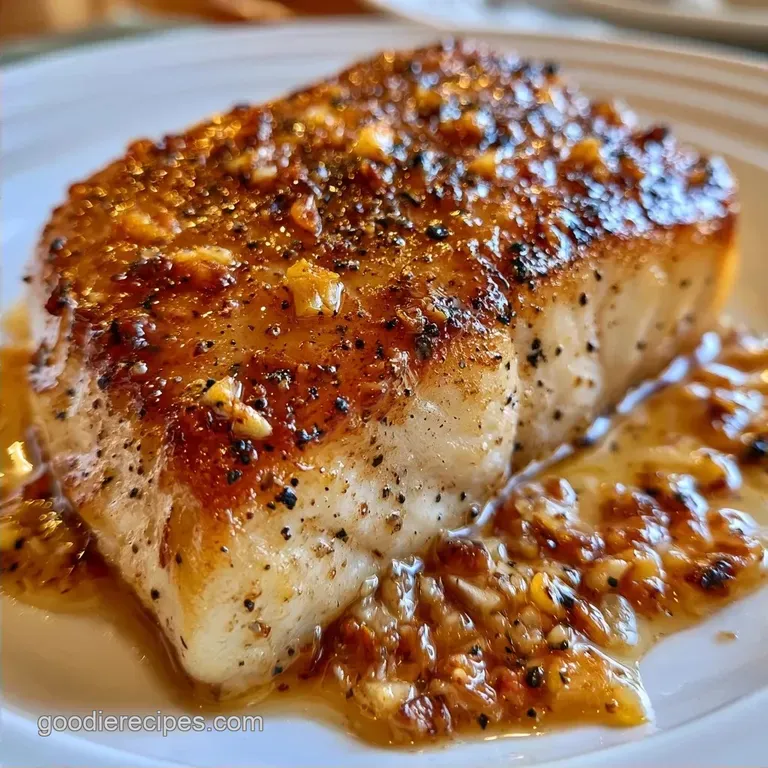
- Time: 10 min active + 15 min baking
- Flavor/Texture Hook: Buttery, garlic heavy crust with flaky white fish
- Perfect for: Quick weeknight dinner
- Garlic Oven Grilled Fish
- What Each Ingredient Does
- Gathering Your Essentials
- Necessary Cooking Gear
- The Cooking Process
- Why the Texture Works
- Solving Common Cooking Issues
- Adjusting the Portion Size
- Fish Cooking Truths
- Storage and Zero Waste
- Flavor Variations to Try
- Serving and Enjoying
- Recipe FAQs
- 📝 Recipe Card
The smell of toasted garlic and melting butter hits you the second you open the oven door. There's something about that specific aroma that makes the whole house feel like a bistro. I remember the first time I tried to "grill" fish in the oven, and I just threw it in with some lemon.
It was bland and steamed instead of searing.
That's why this method is different. We're using a high temperature to mimic a grill, creating a golden exterior. It's the kind of meal that feels fancy but takes almost no effort.
You can expect a dish that flakes apart with a fork. This Garlic Oven Grilled Fish focuses on speed and flavor. Right then, let's get into how to make it happen.
Garlic Oven Grilled Fish
- High Heat
- Baking at 218°C browns the butter quickly, which creates that savory crust.
- Surface Dryness
- Removing moisture from the fish prevents it from steaming, according to Serious Eats, ensuring a better sear.
- Fat Barrier
- The oil and butter mixture protects the delicate proteins from drying out too fast.
| Method | Time | Texture | Best For |
|---|---|---|---|
| Stovetop | 10 mins | Crispy edges | Single fillets |
| Oven | 15 mins | Evenly golden | Multiple portions |
| Air Fryer | 12 mins | Very dry crust | Small portions |
What Each Ingredient Does
| Ingredient | What It Does | Best Swap |
|---|---|---|
| Unsalted Butter | Adds richness and browning | Ghee |
| Lemon Juice | Cuts through the fat | Lime juice |
| Fresh Garlic | Provides sharp, savory depth | Garlic powder (1/4 tsp) |
| Dried Oregano | Adds earthy, herbal notes | Dried thyme |
Gathering Your Essentials
For this recipe, you need a firm white fish. Cod is my go to because it's mild and holds together well. Halibut is a bit more premium and denser, while Tilapia is a budget friendly option that cooks even faster.
Since we're using metric, make sure your scale is ready. The balance of butter and olive oil is key here. The olive oil raises the smoke point of the butter, so you don't end up with burnt black bits on your fish.
I usually keep a stash of dried oregano in the pantry. It's a simple herb, but it gives this dish a Mediterranean vibe that pairs well with the garlic. Don't forget the fresh parsley for the end, as the green pop makes the dish look a lot better.
For the Butter Base
- 57g (4 tbsp) unsalted butter, melted Why this? Base for browning and flavor
- 30ml (2 tbsp) extra virgin olive oil Why this? Increases smoke point
- 12g (4 cloves) garlic, minced finely Why this? Main aromatic punch
- 15ml (1 tbsp) fresh lemon juice Why this? Brightens the heavy fats
- 2.5g (1/2 tsp) kosher salt Why this? Enhances all other flavors
- 1.25g (1/4 tsp) cracked black pepper Why this? Adds subtle heat
- 2g (1 tsp) dried oregano Why this? Adds herbal depth
For the Protein & Aromatics
- 2 (170g / 6 oz) white fish fillets (Cod, Halibut, or Tilapia) Why this? Lean protein that cooks fast
- 1 lemon, thinly sliced into rounds Why this? Infuses citrus and looks great
- 8g (2 tbsp) fresh parsley, chopped Why this? Fresh finish
- 15ml (1 tbsp) melted butter Why this? Prevents sticking
Necessary Cooking Gear
You don't need a fancy kitchen for this. A standard baking sheet is the star here. I always use parchment paper because cleaning baked on butter is a nightmare I don't want to deal with after dinner.
A small whisk or a fork works for the sauce. A silicone pastry brush is helpful for coating the fish, but the back of a spoon works just as well if you don't have one.
Finally, a meat thermometer is the only way to be sure. Fish goes from "just right" to "rubbery" in about 60 seconds. Getting it to exactly 63°C ensures it's safe but still juicy.
The Cooking Process
Let's crack on with the flow. This is a fast process, so have everything measured before you start.
- Whisk the 57g melted butter, 30ml olive oil, minced garlic, 15ml lemon juice, salt, pepper, and oregano in a small bowl. Note: Whisk until the oil and butter are fully combined.
- Pat the fish fillets completely dry using paper towels. Note: This is the most important step for a good crust.
- Place the dried fillets on a parchment lined baking sheet.
- Brush the garlic butter mixture generously over the top and sides of each fillet.
- Place two lemon slices on top of each piece of fish.
- Preheat your oven to 218°C (425°F).
- Grease the baking sheet with 15ml of melted butter.
- Bake for 12-15 minutes until the internal temperature hits 63°C (145°F) and the edges look golden.
- Remove from the oven and sprinkle with 8g of chopped parsley.
- Let the fish rest for 2 minutes before moving it to a plate.
Chef's Note: If your fillets are very thin (like Tilapia), check them at 10 minutes. Overcooking white fish turns it from flaky to chalky very quickly.
Why the Texture Works
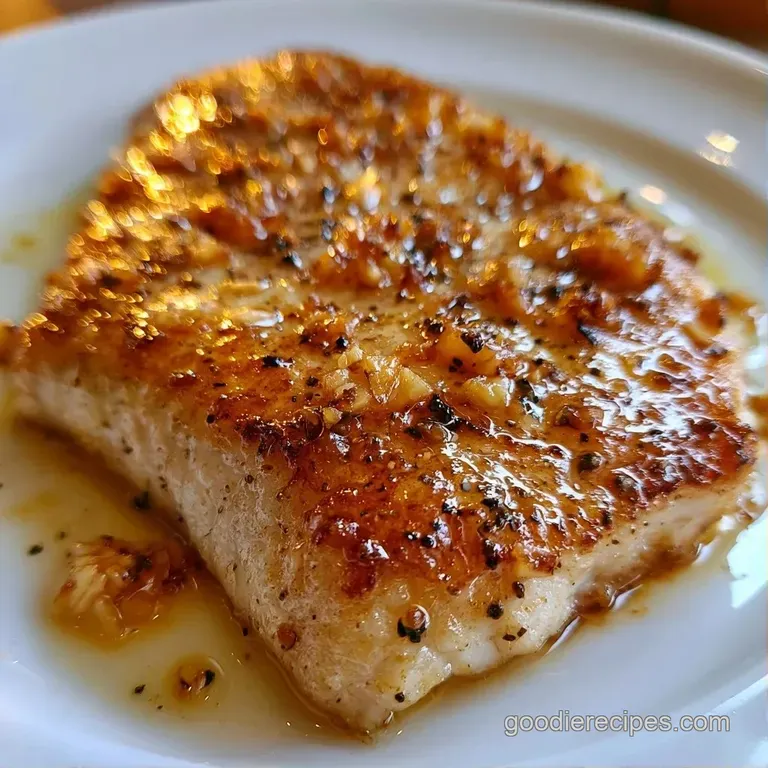
The magic of Garlic Oven Grilled Fish comes down to protein denaturation. When the high heat hits the surface, the moisture evaporates and the proteins tighten, creating a crust.
Because we use a mix of butter and oil, we create a conductive layer of heat. This ensures the fish cooks evenly and doesn't stick to the pan.
The lemon slices on top actually act as a shield. They protect the center of the fillet from the direct heat of the oven, allowing the edges to brown while the middle stays tender.
Solving Common Cooking Issues
Dealing with fish can be tricky because it's so delicate. Most problems come down to moisture or temperature. If the fish feels mushy, it usually means the oven wasn't hot enough or the fish was too wet when it went in.
If you find the fish is sticking, you might be pulling it too early. Usually, the fish releases from the pan naturally once the crust has formed. If you're struggling with this, check out my Lemon Garlic Fish Fillet for another take on citrus based fish.
| Problem | Root Cause | Solution |
|---|---|---|
| Fish is rubbery | Overcooked past 63°C | Use a thermometer; pull early |
| No golden crust | Fillets were damp | Pat dry with paper towels |
| Garlic tastes burnt | Oven temp too high | Check oven calibration |
Adjusting the Portion Size
Scaling this recipe is pretty straightforward since we're using a sheet pan.
For a smaller meal (1 fillet), use half the sauce ingredients. You can keep the oven temperature the same, but start checking the fish 2-3 minutes earlier. Use a smaller baking tray to keep the heat concentrated.
When doubling or tripling the Garlic Oven Grilled Fish for a crowd, don't just multiply the salt and oregano by 3. Use about 1.5x the seasoning to avoid it becoming too salty. Work in batches if your pan is crowded, as overcrowding leads to steaming rather than grilling.
Fish Cooking Truths
Searing fish doesn't actually "lock in" the juices. That's a common myth. Moisture loss happens regardless of how you start the cook. The crust is actually about flavor and texture, not moisture retention.
Another misconception is that all white fish can be swapped 1:1. While you can use different types, a thin Tilapia fillet will cook much faster than a thick Halibut steak. Always rely on the internal temperature rather than the timer.
Finally, some think you need to "seal" the fish on a pan before putting it in the oven. While that adds a different kind of crunch, the over high heat oven method provides a more consistent result for weeknight cooking.
Storage and Zero Waste
You can store leftovers in an airtight container in the fridge for up to 2 days. To reheat, avoid the microwave, as it makes fish rubbery. Instead, put it in a 180°C oven for 5 minutes covered with foil.
This dish doesn't freeze well once cooked because the texture of white fish changes. If you want to freeze it, freeze the raw fillets with the garlic butter rub already applied. Thaw in the fridge overnight before baking.
For zero waste, don't toss the remaining lemon halves. Squeeze them into a salad or use the peels for zesting other dishes. According to USDA FoodData, white fish is high in protein, and using every bit of the citrus helps balance that richness.
Flavor Variations to Try
If you want to switch things up, this Garlic Oven Grilled Fish is a great base. For a more Mediterranean style, add some halved cherry tomatoes and kalamata olives to the pan before baking. The tomatoes will burst and create a natural sauce.
If you prefer something richer, try using a salmon fillet. Salmon handles high heat even better than white fish because of its higher fat content. For a similar method with salmon, my Easy Oven Baked Salmon is a great alternative.
For a dairy-free version, swap the butter for a high-quality vegan butter or just increase the olive oil. You can also add a pinch of smoked paprika to the rub for a wood fired taste without the actual grill.
Serving and Enjoying
The best way to serve Garlic Oven Grilled Fish is on a bed of steamed asparagus or sautéed spinach. The bitterness of the greens cuts through the buttery sauce. A side of quinoa or wild rice also works to soak up the extra garlic butter from the pan.
Make sure to pour any remaining pan juices over the fish right before serving. That liquid gold is where all the concentrated garlic flavor lives.
Serve it immediately while the crust is still crisp. A final squeeze of fresh lemon over the whole plate wakes up the flavors and makes the parsley pop. Enjoy your fast, buttery dinner!
Recipe FAQs
How long to cook grilled fish in the oven?
Bake for 12 15 minutes at 425°F (218°C). Use a meat thermometer to ensure the internal temperature reaches 145°F (63°C) for the best texture.
Is it better to bake fish at 350 or 400?
No, this is a common misconception. Baking at 425°F (218°C) is superior because the high heat sears the garlic butter and prevents the fish from drying out.
How to make delicious grilled fish?
Pat the fillets completely dry with paper towels before brushing on the garlic butter rub. This ensures the sauce adheres properly and prevents the fish from steaming on the pan.
Do you cook fish skin side up or down?
Cook skin side down. Placing the skin on the parchment lined pan protects the delicate flesh from direct heat while the top browns under the lemon slices.
How to cook fish for diabetics?
Follow the recipe as written, as it avoids added sugars and utilizes heart healthy olive oil. If you loved the flavor balance here, see how we use the same acid technique in our lemon pasta.
How do you cook fish (no seasoning)?
Bake the fillets plain at 425°F (218°C) for 12 15 minutes. While the garlic butter adds depth, the natural oils in white fish allow it to cook perfectly without additional seasoning.
How to store and reheat leftover grilled fish?
Store in an airtight container in the fridge for up to 2 days. Reheat in a 180°C oven for 5 minutes covered with foil to avoid the rubbery texture caused by microwaves.
Garlic Oven Grilled Fish