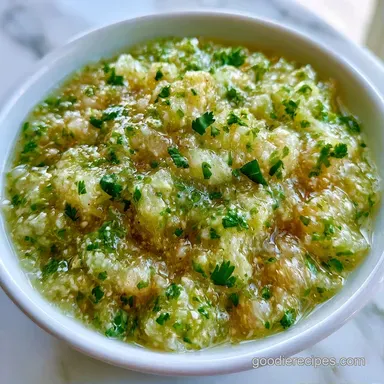
Authentic Mexican Tomatillo Salsa: Roasted
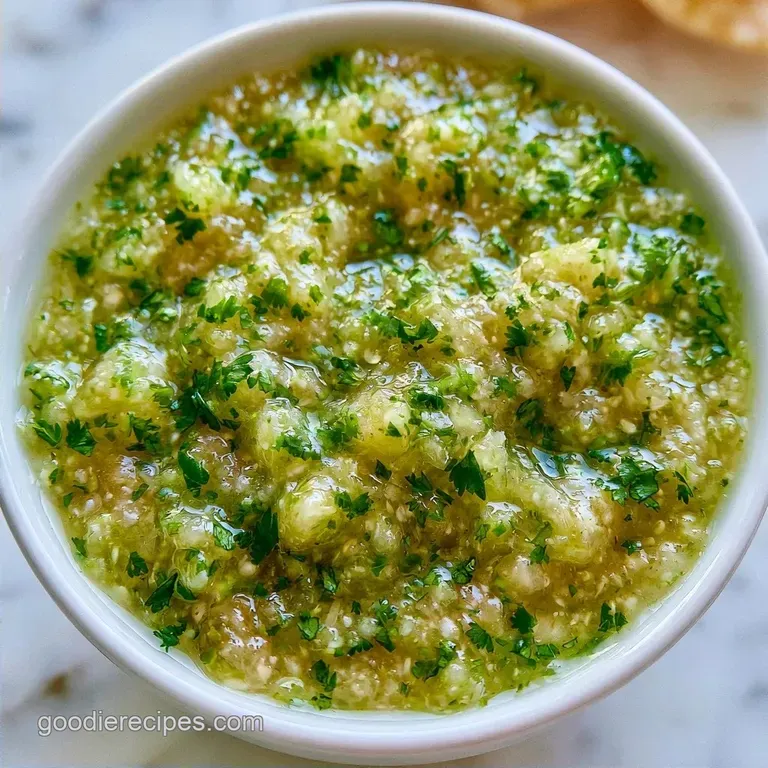
- Time: 10 min active + 20 min roasting
- Flavor/Texture Hook: Tangy, bold, and slightly chunky
- Perfect for: Taco nights or a zesty dip for salty chips
That smell of charred onions and blistering peppers hitting the air is where the magic starts. I remember the first time I tried using raw tomatillos, and it was just too sharp, almost like biting into a lemon.
But the moment I slid a tray into a scorching oven and watched those husked greens turn a pale, olive gold, everything changed.
You're getting a bold, authentic taste that hits all the right notes. This Tomatillo Salsa isn't just a condiment; it's the main event that brings a bright, zesty energy to a heavy plate of carnitas or a simple bowl of chips.
Expect a thick, chunky consistency and a heat level that wakes up your palate without drowning out the other flavors. We're focusing on a balance of acidic, smoky, and fresh elements that makes every bite pop.
- The Roast
- High heat browns the natural sugars in the onion and garlic, creating a savory base.
- The Pulse
- Blending in short bursts keeps the texture chunky rather than turning it into a smooth baby food puree.
- The Salt Balance
- Adding salt at the end tames the natural tartness of the tomatillos.
| Method | Time | Texture | Best For |
|---|---|---|---|
| Raw Blend | 10 min | Smooth/Thin | Quick breakfasts |
| Oven Roast | 30 min | Chunky/Rich | Party dips & Tacos |
What Each Ingredient Does
| Ingredient | Role | If You Don't Have It |
|---|---|---|
| Tomatillos | Tart Base | Green tomatoes + extra lime juice (will be less thick) |
| White Onion | Savory Depth | Yellow onion (slightly sweeter) |
| Jalapeños | Heat & Pepper | Serrano peppers (more heat) or Poblanos (milder) |
| Cilantro | Freshness | Flat leaf parsley (less citrusy) |
Ingredients for the Jar
- 450g (1 lb) tomatillos, husks removed and rinsed Why this? Their high pectin content ensures a thicker salsa.
- 1 medium white onion, quartered Why this? Adds a crisp, clean savory element.
- 2 jalapeño peppers, stems removed Why this? Provides a traditional heat that stays balanced.
- 3 cloves garlic, peeled Why this? Builds a pungent, aromatic roasted base.
- 1/2 cup fresh cilantro, roughly chopped Why this? Offers a fresh contrast to the roasted flavors.
- 1 tbsp fresh lime juice Why this? Enhances and brightens the overall taste.
- 1 tsp kosher salt Why this? Counteracts the sharp acidity of the fruit.
Gear You'll Need
Professional equipment isn't necessary, though certain tools simplify the process. Opt for a rimmed baking sheet to keep vegetable juices from dripping into your oven. While any standard food processor or blender will do, one with a pulse setting allows for better texture control.
I also recommend a silicone spatula to scrape every last bit of roasted garlic from the jar.
How to Make It
- Set your oven to 200°C (400°F).
- Place the rinsed tomatillos, quartered onion, jalapeños, and garlic cloves on a baking tray.
- Roast for 15-20 minutes until the tomatillos are tender and turn a light olive green.
- Monitor the peppers and onion until they exhibit charred blisters.
- Move the roasted vegetables and all accompanying pan juices into a blender. Note: these juices contain much of the smoky essence.
- Stir in the lime juice and fresh cilantro.
- Pulse in short intervals until the mixture attains a chunky, rustic texture.
- Incorporate the salt and pulse one final time.
- Taste your Tomatillo Salsa and stir in a pinch of salt if the acidity is too prominent.
- Use a spatula to scrape the sides to ensure a consistent, velvety blend.
Fixing Common Issues
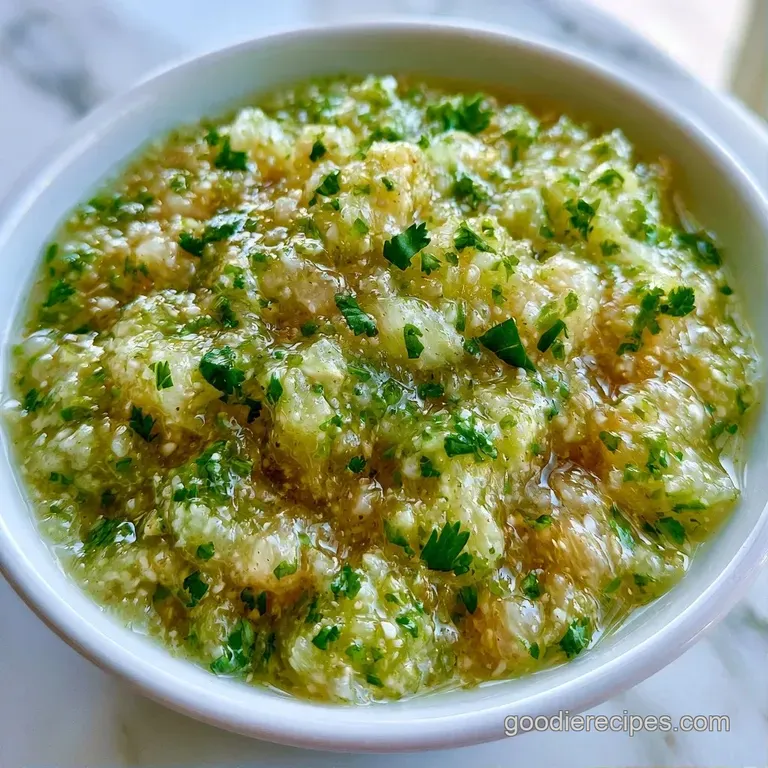
Fixing Watery Texture
This usually happens if you blend for too long or if the tomatillos were extra juicy. Don't worry about it. Just pour the salsa into a small pan and simmer it over medium heat for about 5-10 minutes. This evaporates the excess water and concentrates the bold flavors.
Managing Too Much Heat
If the jalapeños were hotter than expected, you can mellow out the spice. Stir in a small amount of diced avocado or a teaspoon of honey. The fats in avocado or the sugars in honey neutralize the capsaicin. Honestly, don't even bother with water, as it just dilutes the flavor.
Correcting a Dull Taste
If the Tomatillo Salsa tastes flat, it's almost always a lack of acid or salt. Add another squeeze of fresh lime or a tiny pinch of salt. This wakes up the charred notes from the roasting process and makes the colors seem brighter too.
Adjusting the Batch
Cutting it in half: Use 225g of tomatillos and a smaller baking sheet. Reduce the roasting time by about 5 minutes since the pan isn't as crowded. Beat one egg if adding a binder (not applicable here), but for this salsa, just halve the spices.
Doubling the batch: Work in two separate trays. If you crowd the pan, the vegetables will steam instead of char, and you'll lose that smoky edge. Increase the salt and lime juice by only 1.5x first, then taste and adjust.
| Budget | Premium | Impact | Savings |
|---|---|---|---|
| Store brand Onion | Organic Heirloom | Minimal flavor diff | $1.00 |
| Frozen Tomatillos | Fresh Husked | Less texture, more water | $2.00 |
| Dried Cilantro | Fresh Bunch | Significant loss of zest | $0.50 |
Debunking Kitchen Myths
Tomatillos are not just "green tomatoes." They are actually a different species entirely, from the goji berry family. That's why they have that unique tartness and the papery husk.
Searing the vegetables doesn't "lock in" nutrients. It's all about flavor. The charring creates new compounds that balance the acidity, which is why raw green salsa tastes so different from roasted versions.
Keeping It Fresh
Place your Tomatillo Salsa in a glass jar and keep it cold for 5 days. The garlic and lime blend perfectly, so the taste actually improves after 24 hours.
For a longer shelf life, freeze the salsa for 3 months. Leave about an inch of room at the top of the vessel to accommodate expansion. To serve, thaw it in the fridge overnight and stir it up.
Reduce waste by saving those jalapeño stems and onion ends. Place them in a freezer bag with other vegetable scraps for a future homemade stock. If you have extra roasted garlic, mix it into butter for an amazing toast.
Best Ways to Serve
This salsa is a powerhouse on a breakfast plate. Spoon it over fried eggs or inside a breakfast burrito with chorizo. For dinner, it's the go to for fish tacos or grilled chicken.
If you want a different style of heat, you might like a Roasted Tomatillo Salsa for something with even deeper char. It also works as a marinade for pork shoulder, where the acid helps tenderize the meat during a long cook.
For a snack, serve it alongside a bowl of warm corn chips and some crumbled cotija cheese. The saltiness of the cheese plays off the tang of the Tomatillo Salsa perfectly.
The Bold Flavor Logic
Pectin Power: Tomatillos contain natural pectin, which thickens the sauce when heated. This gives the salsa a body that doesn't separate.
Sugar Char: Roasting triggers a reaction that turns the sharp sugars in the onion into savory, caramelized notes. This is what makes an Onion Tomatillo Salsa taste so rich.
- - For a smoother dip
- Blend on high for 30 seconds instead of pulsing.
- - For more kick
- Leave the seeds in the jalapeños during the roast.
- - For a brighter finish
- Stir in extra cilantro right before serving.
Recipe FAQs
Do salsa verde and tomatillo salsa differ?
They are essentially the same thing since tomatillos provide the base for almost every salsa verde. Some regional recipes vary slightly, but the overall flavor profile remains consistent.
How do you make salsa verde at home?
Roast tomatillos, onion, jalapeños, and garlic at 400°F for 15 20 minutes. Pulse these roasted vegetables in a blender with cilantro and lime juice to keep the texture chunky.
Why does restaurant salsa taste so smoky?
Charring the vegetables under high heat caramelizes the natural sugars and mellows the tartness. This creates the savory, blackened depth found in professional kitchens.
Is it true that tomatillos must be cooked before blending?
No, and here's why. You can use them raw, but roasting removes the harsh, lemon like acidity and replaces it with a richer, more balanced flavor.
What is the secret to a chunky consistency?
Pulse the blender in short bursts instead of running it on high. This ensures you have a rustic texture rather than a smooth puree.
Can this be modified into a sauce?
Blend the ingredients longer to achieve a smoother finish for drizzling. For a richer variation, try a creamy tomatillo sauce.
Roasted Tomatillo Salsa 5