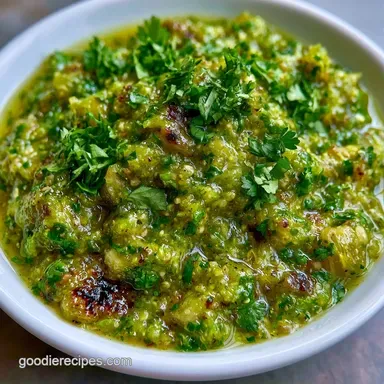
Simple Tomatillo Salsa Recipe: Roasted
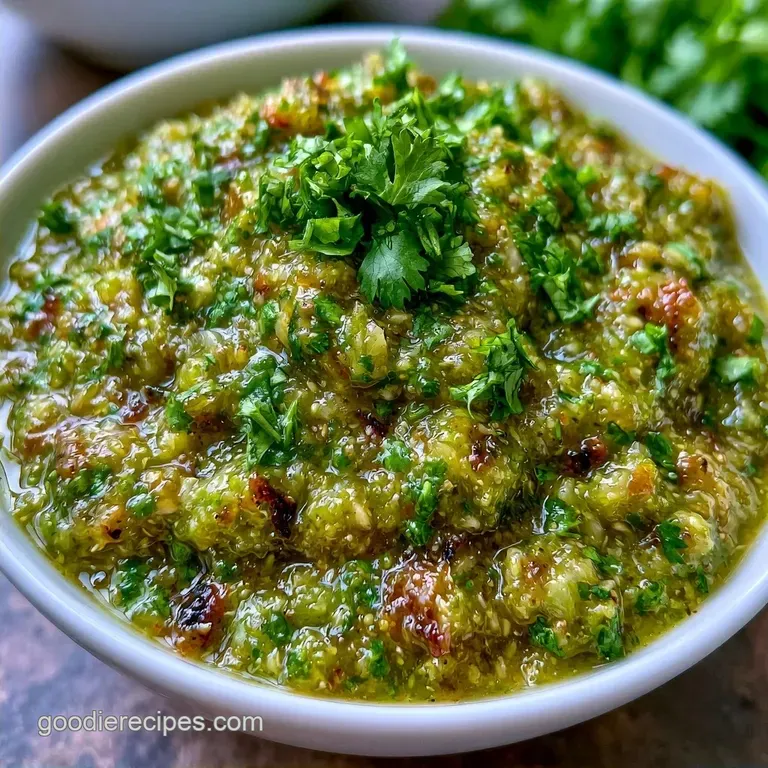
- Time: 10 min prep + 20 min cooking
- Flavor/Texture Hook: Tangy, vivid, and lightly chunky
- Perfect for: Taco nights, chip dipping, or weekly meal prep
The aroma of blackened tomatillo skins hitting the oven rack is the first sign of what's to come. It's a specific, pungent scent that signals the salsa will have genuine depth. I used to think a charcoal grill was necessary for that "fire roasted" quality, but the broiler is actually a more efficient tool for a weeknight.
Ignore the notion that raw salsa is the only way to achieve a fresh taste. Raw tomatillos can be aggressively tart, almost like a squeeze of lime. Roasting them tames the acidity and adds a caramelized, savory layer that makes the final product feel more cohesive.
This Simple Tomatillo Salsa Recipe relies on the balance between bright lime and the charred edges of the roasted vegetables. You'll end up with a sauce that is zesty yet grounded a bold addition to any meal that requires very little effort.
Why the Char Matters
- over High heat Roasting: Direct heat from the broiler breaks down the pectin in tomatillos, changing them from firm to soft and juicy.
- Caramelization: Blackening the onion and jalapeños creates a smoky base that balances the natural tartness of the fruit.
| Method | Time | Texture | Best For |
|---|---|---|---|
| Broiled (This Recipe) | 30 mins | Chunky smooth | Bold, smoky flavor |
| Raw Blend | 10 mins | Crisp/Liquid | Ultra bright, sharp taste |
| Stovetop Char | 40 mins | Variable | Small batch, rustic feel |
Quick Decision Guide
| Goal | What to change |
|---|---|
| More Heat | Keep jalapeño seeds |
| Less Tart | Add pinch of sugar |
| Thicker Base | Pulse less in blender |
Ingredient Role Deep Dive
| Ingredient | What It Does | Best Swap |
|---|---|---|
| Tomatillos | Provides tangy base | Green tomatoes (more mild) |
| Jalapeños | Adds heat and grassiness | Serrano peppers (hotter) |
| White Onion | Adds aromatic sweetness | Yellow onion (sweeter) |
| Fresh Cilantro | Brightens the finish | Flat leaf parsley (milder) |
Gathering Your Fresh Ingredients
- 450g tomatillos, husked and rinsed Why this? Essential for that signature tang.
- 2 (55g each) jalapeños, stemmed Why this? Provides a medium, balanced heat.
- 75g white onion, cut into thick wedges Why this? Adds a sharp, savory contrast.
- 3 cloves (9g) garlic, peeled Why this? Deepens the overall flavor profile.
- 15g fresh cilantro, loosely packed Why this? Adds a fresh, herbal lift.
- 15ml fresh lime juice Why this? Ties the roasted flavors together.
- 6g kosher salt Why this? Enhances all the bold notes.
Essential Tools for the Job
No specialized equipment is required, though a few basics help. A heavy duty baking sheet is essential for sliding the pan in and out of the broiler. Use a food processor or blender if available, as pulsing provides better control over the final consistency than a steady blend.
I typically use a KitchenAid, but any standard model works fine. If you prefer a rustic texture, you can chop everything by hand after roasting, though it will take considerably more effort.
How to Make the Salsa
Phase 1: High Heat Charring
- Set your oven broiler to high. Note: Position the oven rack about 10-15cm away from the heat source.
- Place the husked tomatillos, jalapeños, onion wedges, and garlic cloves on a baking sheet in a single layer.
- Broil for 5–8 minutes until the vegetables have softened and developed charred, black blisters.
- Carefully flip the produce and broil for another 3–5 minutes until the tomatillos are fragrant and start to collapse.
Phase 2: Blending the Flavors
- Pour the roasted vegetables and all pan juices into a food processor or blender. Note: Be sure to include the juices, as they contain the most flavor.
- Stir in the lime juice and fresh cilantro.
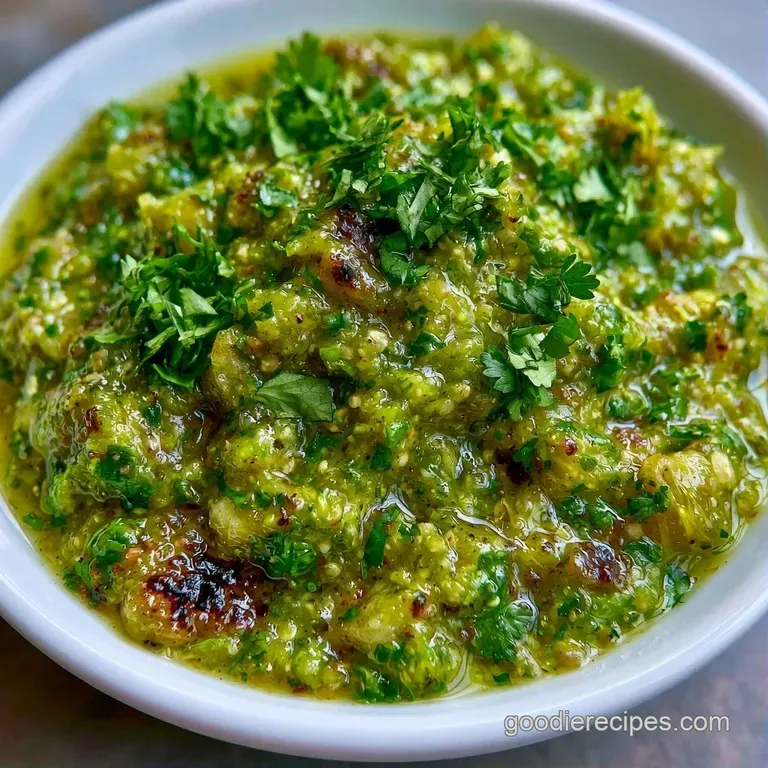
- Pulse in short bursts until the mixture is finely chopped but still has a slight texture.
- Add the salt and pulse once more to combine.
Handling Common Salsa Problems
If your salsa tastes unbalanced, it's typically a matter of acidity. Tomatillos fluctuate in tartness based on their harvest time. As noted in roasting guides from Serious Eats, the amount of charring significantly impacts how that acidity is tasted. Without enough blackened areas, the sauce may seem overly sharp or "green."
Texture can also be tricky. Over processing destroys the rustic feel, turning the salsa into a thin liquid. Aim for a consistency that is smooth but still contains distinct pieces of pepper and onion.
If the Salsa is Too Tart
Mix in a tiny pinch of granulated sugar or a little extra salt. This won't make the dish sweet, but it will mellow out the tomatillos' bite.
If the Texture is Too Watery
Cease blending right away. To increase thickness, stir in a small piece of charred onion or a tablespoon of avocado for a creamier finish.
If it's Too Spicy to Handle
Introduce a teaspoon of lime juice or a pinch of sugar to balance the heat. For a more significant reduction in spice, stir in a tablespoon of cultured cream or plain yogurt.
| Problem | Root Cause | Solution |
|---|---|---|
| Too Acidic | Under roasted tomatillos | Add pinch of sugar |
| Too Thin | Over blending | Blend in 1/4 avocado |
| Bland Taste | Not enough salt | Add salt 1/4 tsp at a time |
Adjusting Batch Sizes
When you need to make a larger amount of this Simple Tomatillo Salsa Recipe, don't just multiply everything linearly. Salt and heat can intensify differently in large volumes.
Scaling Down (½ or ¼) If you're making a small batch, use a smaller baking sheet so the vegetables stay clustered and steam slightly. This helps them soften faster. Reduce the broiling time by about 20% since there is less mass to heat up.
Scaling Up (2x-4x) Work in batches for the roasting. If you crowd the pan, the vegetables will steam instead of char, and you'll lose that smoky flavor. Increase salt and spices to only 1.5x the original amount first, then taste and adjust. If you find this version too chunky, you might prefer my Creamy Tomatillo Sauce for a smoother profile.
Busting Common Salsa Myths
Myth: You must use a mortar and pestle (molcajete) for authenticity. While a molcajete adds a great texture, a blender is perfectly fine for a home cook. The flavor comes from the roasting, not the tool used for crushing.
Myth: Removing all the seeds makes it "mild". Removing seeds reduces some heat, but most of the spice is in the ribs of the pepper. If you want it truly mild, use a poblano pepper instead of jalapeño.
Storage and Waste Tips
Keep your salsa in a glass container in the refrigerator for up to 5 days. The taste will intensify after 24 hours as the salt absorbs into the roasted vegetables. For longer storage, freeze small portions for up to 3 months, though note that the cilantro may darken.
If you compost, save the tomatillo husks. Additionally, any remaining charred garlic or onion from a larger batch makes a great addition to a pot of beans or a breakfast omelet.
Best Ways to Serve It
This Easy Tomatillo Salsa is incredibly adaptable. It pairs perfectly with thick corn chips, but it also makes an excellent marinade for pork or chicken. Because of its acidity, it's a fantastic match for richer, fatty meats like carnitas.
If you're after a more concentrated and intense flavor, give this Smoky Roasted Tomatillo Sauce a try, which uses adjusted roasting times for a deeper profile. Alternatively, simply drizzle this salsa over baked potatoes or grilled fish for a fast and flavorful upgrade.
You're now all set to create a bold, tangy salsa. Just remember: don't worry about the charred bits on your vegetables. Those blackened blisters are the secret to the dish's authentic character. Let's get started with the roasting!
Recipe FAQs
How do I make salsa verde at home?
Roast tomatillos, jalapeños, onion, and garlic under a high broiler before blending with cilantro and lime juice.
Tip: Pulse the mixture in short bursts to ensure the salsa maintains a slight texture.
Is it true tomatillos must be cooked before using them in salsa?
Actually, no. They can be eaten raw, though roasting them provides a smokier, deeper flavor profile.
Tip: Always rinse the sticky residue off the fruit after removing the husks.
What is the best way to char the vegetables?
Place ingredients on a baking sheet and broil on high for 5 8 minutes, then flip for 3 5 minutes.
Tip: Watch the pan closely to ensure the vegetables blister without burning.
Where should I store leftover salsa?
Keep it in a glass jar in the refrigerator for up to 5 days.
Tip: Let the salsa sit for 24 hours to allow the salt and roasted flavors to fully meld.
Which sides pair best with this salsa?
Serve this with tortilla chips or over grilled proteins.
Tip: Since you mastered balancing tartness here, apply the same acid technique to the bright flavors of our poke cake.
Do I need a food processor for a smooth consistency?
False. A standard blender is perfectly effective for achieving the desired consistency.
Tip: Add the fresh lime juice and cilantro at the very end to keep the colors vibrant.
Simple Tomatillo Salsa