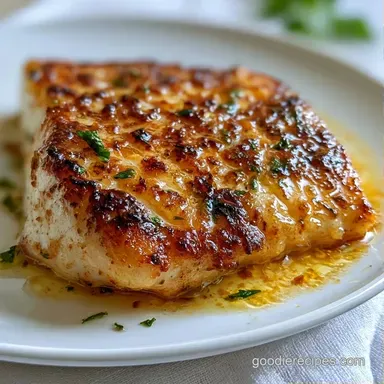
Seasoned Grilled Fish Fillet with Smoked Paprika
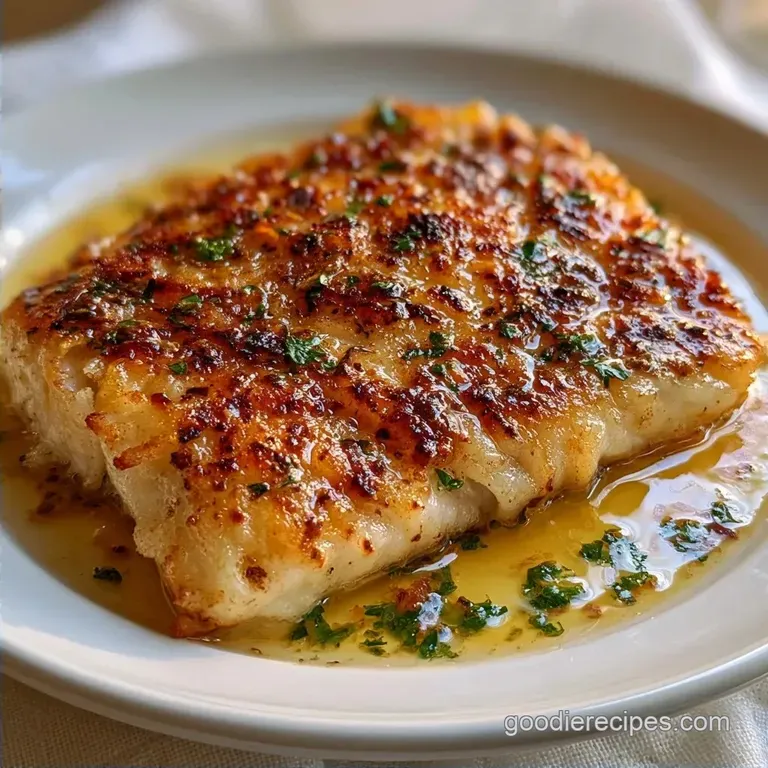
- Time: 20 min active + 12 min cook
- Flavor/Texture Hook: Smoky, charred crust with tender, flaky insides
- Perfect for: Weeknight dinners or a quick outdoor meal
Seasoned Grilled Fish Fillet Tips
That first hiss when the fish hits the hot grates is the best part. I used to be terrified of grilling fish because it always seemed to glue itself to the grill, leaving half the fillet behind in a mess of charred flakes.
I spent a few summers fighting with my grill before I realized the problem wasn't the heat, but the moisture on the fish.
Once I started drying the fillets with paper towels and letting the marinade soak in for a few minutes, everything changed. Now, it's my go to for a fast dinner. You get that smoky, outdoor flavor without spending all night over the coals.
This Seasoned Grilled Fish Fillet recipe focuses on a simple balance of acid and smoke. It's designed for speed, using minimal tools so you aren't stuck cleaning five different bowls after you eat.
Why This Method Works
Oil Barrier: Coating the fish in olive oil creates a physical layer that prevents the proteins from bonding to the metal grates.
Acid Timing: Adding lemon juice right before cooking keeps the fish tender instead of "cooking" it in the acid like a ceviche.
| Method | Time | Texture | Best For |
|---|---|---|---|
| Outdoor Grill | 12 mins | Charred & Smoky | Big flavor/Outdoors |
| Cast Iron Pan | 10 mins | Crispy Crust | Rainy days/Indoors |
| Oven Bake | 15 mins | Soft & Uniform | Large batches/Easy cleanup |
The Ingredient Deep Dive
Before we get into the list, it's worth noting how the seasonings work together. The smoked paprika gives you that "grilled" taste even if your charcoal isn't hitting peak temperature.
| Ingredient | What It Does | Best Swap |
|---|---|---|
| Olive Oil | Prevents sticking | Avocado oil (higher smoke point) |
| Lemon Juice | Cuts through the fat | Lime juice for a zestier kick |
| Smoked Paprika | Adds deep, woody color | Regular paprika (less smoky) |
| Garlic | Adds savory punch | Garlic powder (if fresh is out) |
What You'll Need
I prefer using a lean white fish. Cod and Halibut hold up well on the grill, while Tilapia is a great budget friendly option that cooks even faster.
Ingredients:
- 1.5 lbs lean white fish fillets (Cod, Halibut, or Tilapia)
- 3 tbsp extra virgin olive oilWhy this? high-quality fat for a better sear
- 2 tbsp fresh lemon juiceWhy this? Fresh is way more potent than bottled
- 3 cloves garlic, minced
- 1 tsp smoked paprika
- 1 tsp dried oregano
- 1/2 tsp kosher salt
- 1/4 tsp cracked black pepper
- 1/4 tsp cayenne pepperWhy this? Adds a subtle warmth, not overwhelming heat
Chef: If you're using Tilapia, be careful not to overcook it. It's thinner than Halibut and can go from flaky to rubbery in about 60 seconds.
The Grilling Process
Right then, let's get the fish prepped. Make sure your grill is fully heated before the fish ever touches the grate.
The Dry and Season Prep
- Pat the fish fillets completely dry with paper towels. Note: Excess moisture causes steaming instead of searing.
- In a small bowl, whisk together the olive oil, lemon juice, minced garlic, smoked paprika, oregano, salt, pepper, and cayenne.
- Using a brush, evenly coat all sides of the fillets with the marinade.
- Let the fillets sit at room temperature for 10-15 minutes. Note: This ensures the fish cooks evenly through the center.
The over High heat Grill
- Preheat the grill to medium high (approx. 400°F / 200°C).
- Lightly oil the grates with a paper towel dipped in oil using tongs.
- Place fillets on the grill, pressing down lightly.
- Cook for 4-6 minutes per side until the fish naturally releases from the grate and looks opaque. Note: Don't force the flip or the fish will break.
The Finish
- Remove from heat immediately.
- Let the fish rest on a warm platter for 3-5 minutes before serving. Note: This lets the juices redistribute for a more moist bite.
Fixing Common Fish Fails
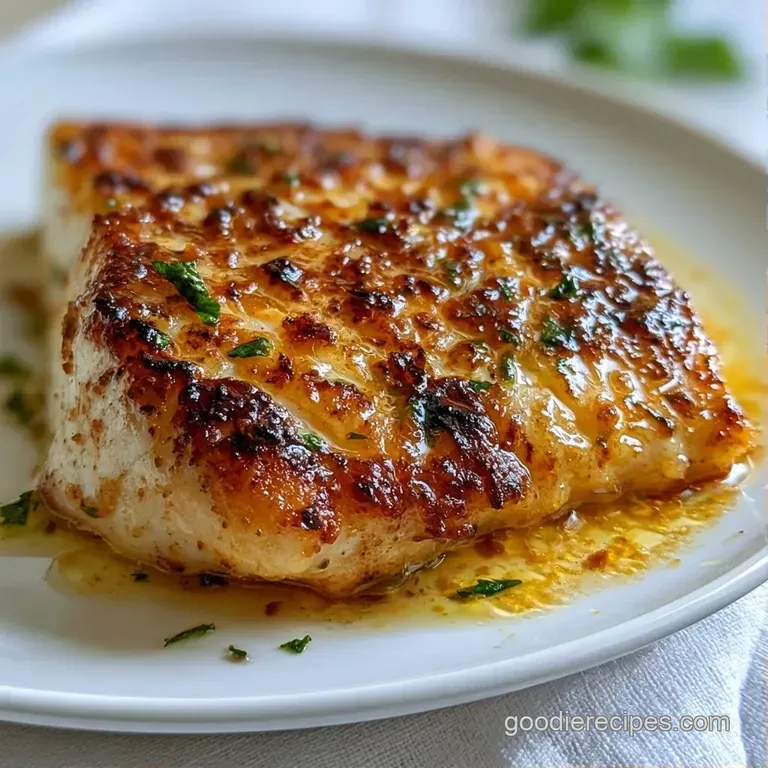
The most frustrating part of this recipe is when the fish sticks. This usually happens because the grill wasn't hot enough or the fish was too wet. When the proteins sear, they create their own release layer. If you tug at the fish and it resists, give it another minute.
Troubleshooting Common Issues
| Issue | Solution |
|---|---|
| Why Your Fish Sticks | If the fillet clings to the metal, the surface temperature is likely too low. According to Serious Eats by doubling the cayenne and adding a pinch of crushed red pepper. |
For a Mediterranean feel, swap the smoked paprika for dried thyme and add a tablespoon of capers to the marinade. If you're watching your salt intake, replace the kosher salt with a bit more lemon zest and a dash of onion powder to keep the flavor profile high.
You can also try a zesty citrus swap by using half orange juice and half lemon juice. It adds a sweetness that pairs well with the charred edges of the fish.
Scaling Guidelines
Cutting the Recipe in Half: If you're just cooking for one or two, use 0.75 lbs of fish. Reduce the marinade ingredients by half. Use a smaller grill area or a small cast iron skillet to keep the heat concentrated.
Doubling the Recipe: When cooking 3 lbs of fish, don't double the salt and cayenne. Increase those by only 1.5x to avoid over seasoning. Work in batches if your grill is small. If you crowd the grates, the temperature drops and the fish will steam instead of sear.
For large crowds, I suggest using Grilled Fish for 2 recipe packets. It takes a bit longer to cook, but you can fit more on the grill at once and cleanup is a breeze.
Fish Myths
You've probably heard that searing fish "locks in the juices." That's not actually true. Searing creates a crust for flavor and texture, but moisture loss happens regardless of how you start the cook.
Another myth is that fresh fish should have a strong "fishy" smell. In reality, high-quality fresh fish should smell like the ocean or almost nothing at all. If it smells pungent, it's already starting to turn.
Storage and Waste Tips
Fridge and Freezer: Store leftovers in an airtight container in the fridge for up to 2 days. To reheat, avoid the microwave if you can. Instead, put the fillet in a pan over medium heat for 2-3 minutes per side with a tiny bit of butter to bring back the texture.
You can freeze grilled fish, but the texture changes. Wrap it tightly in foil and freezer paper for up to 2 months. Thaw in the fridge overnight before reheating in the oven at 300°F.
Zero Waste Tips: If you bought whole fillets and have scraps, don't toss them. Toss the small trimmings into a freezer bag. Once you have a few, simmer them with water, onion, and celery to make a quick fish stock for risotto or chowder.
If you have leftover lemon halves, squeeze them into your compost or use the rinds to infuse olive oil for your next batch of fish.
Serving Your Meal
This dish is light, so it needs something hearty on the side. I love serving it with a side of sautéed spinach or a crisp cucumber salad. For a more filling meal, pair it with a Grilled Fish with Lemon Sauce over a bed of quinoa.
If you're feeling fancy, plate the fish on a smear of avocado puree. The creamy texture of the avocado balances the acidity of the lemon marinade. Just a squeeze of fresh lemon over the top right before eating brings all the flavors back to life.
Recipe FAQs
What do you season fish fillets with?
Use a blend of olive oil, lemon juice, garlic, smoked paprika, oregano, salt, pepper, and cayenne. This combination provides a balanced profile of acidity, smokiness, and heat.
Should you season fish before grilling?
Yes, marinate first. Coat the fillets and let them sit at room temperature for 10 15 minutes to allow the flavors to penetrate the meat.
How to cook fish for diabetes type 2?
Grill using the olive oil and lemon juice marinade. This method relies on heart healthy fats and fresh acids rather than sugary glazes or heavy breading.
What type of fish is the easiest to grill for a beginner?
Lean white fish like Cod, Halibut, or Tilapia are best. These varieties are sturdy and hold their shape well; if you enjoyed these fillets, the same logic applies to our garlic herb version.
How to cook fish on a BBQ?
Preheat the grill to 400°F (200°C) and lightly oil the grates. Cook for 4 6 minutes per side, flipping only once the fish naturally releases from the metal.
What are some tips for grilling fish on a gas grill?
Maintain medium high heat and oil the grates thoroughly. Press the fillets down lightly upon first contact to ensure an even sear across the entire surface.
How to prevent fish from sticking to the grill?
Pat the fish fillets completely dry with paper towels. Removing surface moisture ensures a proper sear, which prevents the meat from clinging to the grates.
Seasoned Grilled Fish Fillet