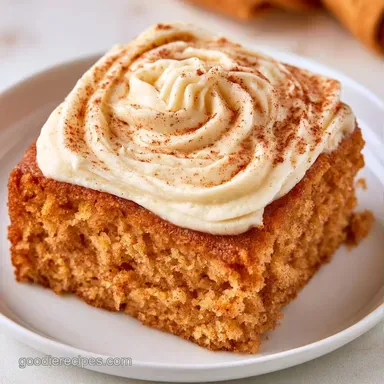
Moist Sweet Potato Cake with Cream Cheese
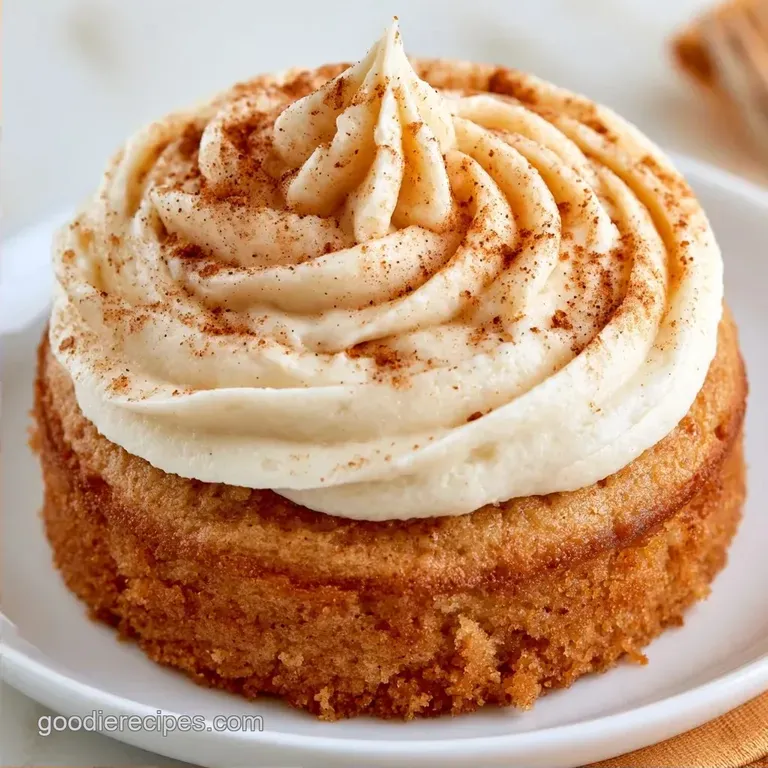
- Time: 30 min active + 30 min bake (95 min total)
- Flavor/Texture Hook: Cozy cinnamon and nutmeg notes paired with a bright, whipped topping
- Perfect for: Family get-togethers, holiday feasts, or a relaxing Sunday afternoon
Nothing beats the aroma of cinnamon and nutmeg wafting through the kitchen on a fall day. I used to believe that roasting sweet potatoes for hours and mashing them manually was the only way to achieve an authentic taste.
In reality, that's not true; a premium, smooth puree delivers the same depth while keeping your counters clean.
This is my definitive guide to Sweet Potato Cake with Cream Cheese Frosting. I remember a failed attempt where I used chilled puree and over beat the batter. The result was a compact, orange block that felt more like a dessert flavored side dish than an actual cake.
Now, I always use room temperature ingredients and mix carefully.
The result is a deep mahogany crumb that remains tender for several days. The brightness of the cream cheese frosting complements the hearty potato base, creating a balanced sweetness. It’s a simple way to fill your home with a bakery style scent without any of the anxiety.
Sweet Potato Cake with Cream Cheese
Getting the timing right is key here. I usually start the puree and butter softening a few hours before I actually start mixing. If you are in a rush, you can zap the butter for 5 seconds, but don't let it melt into a puddle or your cake will lose its structure.
The flow for this recipe is straightforward: prep the pan, mix the dry goods, cream the fats, and fold everything together. Since the total time is 95 minutes, most of that is spent waiting for the cake to cool. If you frost a warm cake, your cream cheese topping will slide right off the sides.
I recommend using a 9 inch round pan or a square baking dish. The depth of the batter should be even across the bottom to ensure it bakes uniformly. If the middle is too deep, the edges will dry out before the center sets.
The Essential Building Blocks
The base of this cake relies on the interaction between acid and base. The buttermilk provides that necessary acidity. Serious Eats' testing on similar cakes shows that the reaction between buttermilk and baking soda creates a more tender crumb than using milk alone.
For the flour, all purpose is the standard. It gives the cake enough strength to hold the heavy puree without becoming tough. I prefer a medium protein flour to keep the texture consistent.
The spices are where the personality comes in. Cinnamon is the heavy hitter, but the nutmeg and ginger add a subtle warmth that stops the cake from tasting like a plain sugar cookie.
For the Moist Sweet Potato Cake
The mashed sweet potato acts as both a flavor agent and a moisture reservoir. It keeps the cake from drying out even after a few days in the fridge. Make sure your puree is completely smooth. Any lumps will create pockets of dense mash in the finished cake.
For the Cream Cheese Frosting
The frosting needs a balance of fat and sugar. Using full fat cream cheese is a non negotiable here. low-fat versions have too much water, which makes the frosting runny and prevents it from holding those pretty swirls on top.
Gear for the Job
Basic tools will do, though a few items simplify the process. An electric mixer, like a KitchenAid, is ideal for the creaming stage. If you only have a whisk, expect to beat the butter and sugar for roughly 10 minutes to achieve a fluffy consistency.
A standard 9 inch cake pan is recommended. I always line mine with parchment paper, as it is the most reliable way to ensure the cake releases cleanly without sticking, regardless of how much you grease the pan.
A wire cooling rack is a must. Leaving the cake in the pan for too long can trap steam, which often leads to a soggy bottom. Moving it to a rack allows air to circulate freely around the entire cake.
Step-by-step Baking Flow
Phase 1: Prep and Dry Mix
- Set your oven to 350°F (175°C). Grease your pan with butter and flour, or use a parchment paper lining on the bottom. Note: This prevents sticking when flipping the cake.
- In a medium bowl, whisk the flour, baking soda, baking powder, salt, cinnamon, nutmeg, and ginger until well combined.
Phase 2: Creating the Batter
- Use a large bowl to beat the softened butter and granulated sugar on medium high until pale and fluffy (roughly 3 minutes).
- Incorporate the eggs one by one, beating well after each. Stir in the vanilla extract.
- Fold in the mashed sweet potato until just combined. Note: Do not overmix to avoid adding too much air.
- Alternately mix the dry ingredients and buttermilk into the wet base, beginning and ending with the flour. Blend on low until the batter is smooth and mahogany colored. Stop mixing once the last streak of flour is gone to prevent a rubbery consistency.
Phase 3: Baking and Finishing
- Spoon the batter into the prepared pan and smooth the surface with a spatula.
- Bake for 28–35 minutes. The cake is ready when a toothpick inserted comes out clean or with only a few moist crumbs.
- Allow the cake to sit in the pan for 10 minutes, then move it to a wire rack to cool fully.
- Blend the cream cheese and butter together until velvety. Gradually mix in the powdered sugar, vanilla, and salt. Beat on high for 2 minutes until light and airy.
- Apply a thick layer of frosting over the cooled cake.
| Original Ingredient | Substitute | Why It Works |
|---|---|---|
| Buttermilk (1/2 cup) | Plain yogurt thinned with 1 tsp lemon juice | Similar acidity and thickness. Note: May be slightly tangier |
| All Purpose Flour | White whole wheat flour | Adds a nuttier flavor. Note: Cake will be slightly denser |
| Granulated Sugar | Coconut sugar | Works for a deeper, caramel like taste. Note: Changes cake color to a darker brown |
Why This Texture Works
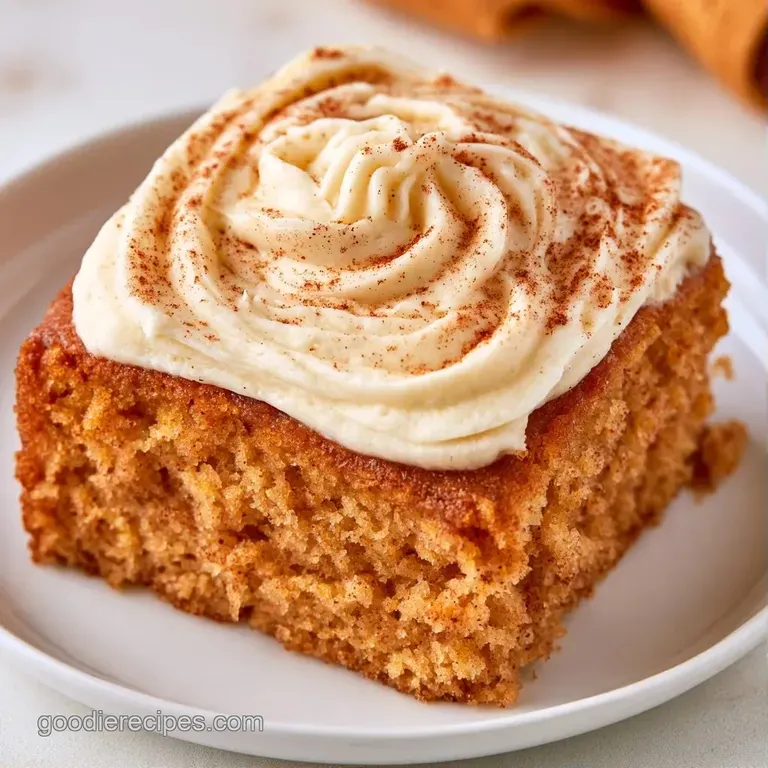
Getting a Sweet Potato Cake with Cream Cheese to be light instead of dense comes down to a few specific reactions.
Buttermilk Reaction: The acid in the buttermilk triggers the baking soda to release carbon dioxide bubbles immediately. This lifts the heavy sweet potato puree, creating a soft, open crumb.
Fat Emulsification: Beating the butter and sugar first creates tiny air pockets. These pockets expand in the oven, which prevents the cake from feeling like a dense pudding.
If you enjoy this kind of textural balance, you might like a strawberry poke cake, which uses a different method to achieve a similar moisture level.
Fixing Common Cake Issues
When things go wrong with this recipe, it's usually a temperature or mixing issue. If the cake sinks in the middle, it often means the oven door was opened too early, letting the heat escape before the structure set.
For the frosting, the biggest hurdle is separation. If your butter and cream cheese aren't the same temperature, the frosting can look curdled. Just keep beating it on high for another minute, and it usually smooths out.
Another common issue is a "gummy" center. This happens if the sweet potato puree had too much water in it. Using a thick, smooth puree prevents this.
Dense Cake Texture
Over mixing the flour develops too much gluten. This turns a tender cake into something that feels more like bread. Mix only until the flour is combined.
Separated Frosting
Cold cream cheese hitting warm butter causes curdling. Ensure both are softened to room temperature before starting.
Cake Stuck to Pan
Lack of parchment paper or insufficient greasing. Always use a liner for the bottom of the pan.
| Problem | Root Cause | Solution |
|---|---|---|
| Rubbery Crumb | Over mixing the batter | Stop mixing as soon as flour disappears |
| Sunken Center | Oven door opened too soon | Wait until 25 mins have passed before checking |
| Runny Frosting | Cream cheese too soft/warm | Chill frosting for 30 mins before spreading |
Keeping It Fresh
Keep your Sweet Potato Cake with Cream Cheese in a container with a tight lid. Due to the cream cheese, this dessert needs to be refrigerated, where it will stay fresh for about 4 days.
If you prefer to freeze it, I recommend doing so with the cake layers only. Wrap the cake securely in plastic wrap and then a layer of foil. It can be stored this way for 3 months. Thaw the layers in the fridge overnight before adding fresh frosting.
To minimize waste, freeze any remaining sweet potato puree in ice cube trays. These frozen portions are perfect for adding to your morning smoothies or oatmeal.
Different Ways to Bake
Feel free to customize these flavors to suit your preference. For a bolder taste, mix a pinch of ground cloves or a tablespoon of orange zest into the batter; the citrus notes provide a bright contrast to the earthy potato.
If you're looking for a different dessert experience, a traditional jello poke cake is a fantastic choice for those wanting something chilled and fruity.
To achieve a denser, more decadent consistency, substitute the buttermilk with heavy cream. This results in a pound cake-like texture that is perfect for cutting into thick slices.
Chef's Tip: For a quick way to "soften" butter without melting it, place it in the freezer for 10 minutes before grating. It will blend more efficiently and evenly.
For a Spiced Twist
Mix in 1/2 tsp of ground cardamom. This introduces a floral, aromatic quality that pairs wonderfully with the cream cheese.
For a Lighter Topping
Fold a cup of whipped cream into the finished frosting to transform the dense cream cheese icing into a light, mousse like consistency.
For a dairy-free Version
Swap in vegan butter and a cashew based cream cheese. Because the rise might be slightly lower, add an extra 1/2 tsp of baking powder.
What to Serve With
Since this cake is quite decadent, it pairs perfectly with a bright, sharp accompaniment. A side of fresh raspberries or blackberries provides a tart contrast that highlights the warm spices of the Sweet Potato Cake with Cream Cheese.
For a beverage, a strong Earl Grey tea or a hot cup of black coffee is the ideal choice. The natural bitterness of these drinks balances the sweetness of the powdered sugar frosting.
If you are serving this at a gathering, try cutting it into small 2 inch squares. This makes the portions easier for guests to handle and prevents the slices from tipping over on the plate.
Decision Shortcut for Customizing:
- Want more zing? → stir 1 tsp lemon zest into the frosting
- Richer color? → mix 1 tbsp molasses into the wet ingredients
- Airier texture? → sift the flour and spices twice
Recipe FAQs
Do cream cheese and sweet potato pair well?
Yes, they are a perfect match. The tanginess of the cream cheese cuts through the rich, earthy sweetness of the mashed potato.
How do I make this sweet potato cake?
Set the oven to 350°F. Grease your pan, cream the butter and sugar, mix in eggs and sweet potato, then alternately fold in buttermilk and flour before baking for 28 35 minutes.
Which mistakes usually ruin the texture?
Overmixing the batter after adding flour is the main issue. This develops too much gluten, so keep the mixer on low speed until the batter is just smooth.
Is it true that room temperature eggs are optional?
No, and here's why. Cold eggs can curdle the creamed butter, breaking the emulsion and preventing the cake from rising properly.
What ensures the frosting is light and airy?
Beat the mixture on high for two minutes. This aeration process ensures the powdered sugar and softened butter blend into a velvety consistency.
Why is cooling the cake completely necessary?
Warmth destabilizes the frosting. If the cake is even slightly warm, the butter based cream cheese topping will melt and slide off the surface.
Can I substitute pumpkin for sweet potato?
Yes, it works as a direct replacement. Since both are winter squashes, you can use the same flavor balancing found in our pumpkin pie to maintain a rich profile.
Sweet Potato Cake With Cream Cheese