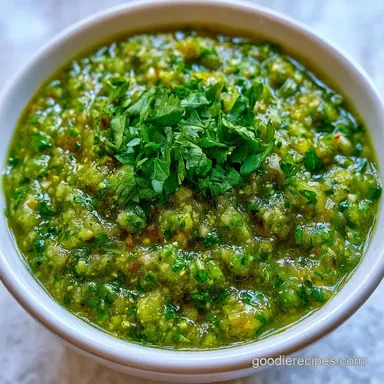
Traditional Mexican Green Sauce: Roasted
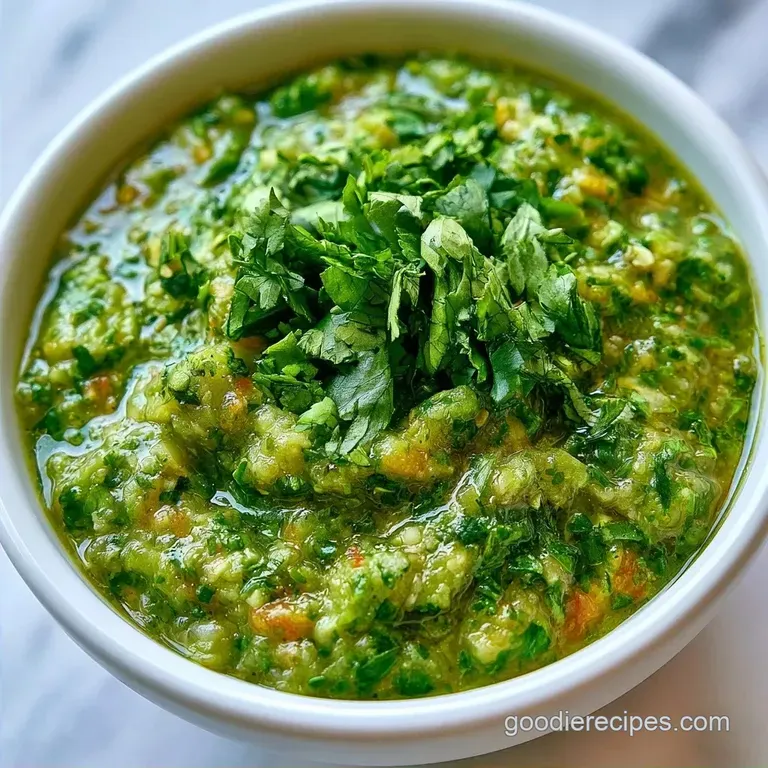
- Time: 5 min active + 25 min cook
- Flavor/Texture Hook: Zesty, smoky, and slightly rustic
- Perfect for: Taco nights, grilled meats, or a bold breakfast topping
That smell of charred tomatillos hitting a hot pan is the only way to start. If you've ever made a green salsa that tasted like raw, metallic grass, you probably skipped the roasting part.
Most people think you can just throw everything in a blender and call it a day, but raw tomatillos have a sharp, biting edge that can overwhelm everything else on the plate.
I used to make that mistake. I'd blend the ingredients raw, and the result was too acidic, almost sour. The fix is simple: high heat. By blistering the skins under a broiler, you change the flavor profile entirely.
You can expect this Traditional Mexican Green Sauce to be bold and punchy. It's not a mild dip, but it's not an overwhelming heat bomb either. It sits right in that sweet spot where the smokiness of the peppers meets the tang of the lime.
Traditional Mexican Green Sauce Essentials
When you're making this, the contrast is what makes it. You have the bright, fresh hit of cilantro and lime fighting against the deep, burnt edges of roasted onion and garlic. It's a balance of high and low notes.
If you want to adjust the vibe, here is a quick guide: - Extra tang? → fold in 1 tsp lemon zest - More smoke? → add a pinch of smoked paprika - Lower heat? → remove the seeds from the serranos
Right then, let's look at how this stacks up against the "quick" version most people make.
| Method | Time | Texture | Best For |
|---|---|---|---|
| Raw Blend | 5 mins | Thin, watery | Quick snacks |
| Roasted | 30 mins | Thick, rustic | Authentic tacos |
Ingredient Deep Dive
The tomatillo is the star here. It's not a green tomato, and trying to swap them is a mistake because the flavor is totally different. Tomatillos have a citrusy punch that blends perfectly with the heat of serrano peppers.
| Component | Purpose | Substitute Notes |
|---|---|---|
| Tomatillos | Tart base | Tomatillo puree (canned). Note: Less smoky flavor |
| Serrano Peppers | Sharp heat | Jalapeños. Note: Milder heat, slightly grassier |
| White Onion | Savory depth | Yellow onion. Note: Sweeter, less pungent |
| Fresh Cilantro | Herbal brightness | Flat leaf parsley. Note: Lacks the citrusy punch |
And here is the full list of what you'll need: - 1 lb husked tomatillos Why this? Provides the essential tart base - 3 serrano peppers Why this? Adds a clean, sharp heat - 1/2 cup white onion Why this? Adds savory, charred
Depth - 3 large garlic cloves Why this? Pungent baseline flavor - 1/2 cup fresh cilantro Why this? Brightens the heavy roasted notes - 1 tbsp fresh lime juice Why this? Balances the salt and heat - 1 tsp kosher salt
Why this? Enhances all other flavors - 2 tbsp water Why this? Adjusts the final thickness
Essential Kitchen Tools
You don't need fancy gear, but a couple of things make it easier. A sturdy baking sheet is a must. Use a rimmed one so the juices from the roasting vegetables don't leak into your oven.
A blender or food processor is the only way to get the right consistency. I prefer a blender because it handles the liquid and the chunky roasted veg better. Just don't over process it. You want a slight, rustic texture, not a thin puree.
How to Make It
Time to start cooking. We want the vegetables to be charred and a deep mahogany brown.
- Strip the papery skins off the tomatillos and rinse them well to remove the natural stickiness.
- Arrange the tomatillos, serrano peppers, onion wedges, and unpeeled garlic in a single layer on a baking sheet.
- Preheat your oven to high broil, placing the rack 6 inches below the heating element.
- Broil for 5–8 minutes, flipping once, until the onion is charred and the tomatillo skins are blistered and mahogany colored.
- Pull the garlic out early if it softens too quickly to prevent it from becoming bitter.
- Peel the roasted cloves.
- Pour the charred vegetables and all pan drippings into a blender. Mix in the salt, lime juice, and fresh cilantro.
- Pulse in short bursts until the sauce is smooth but retains a slight, rustic texture.
- Sample the Traditional Mexican Green Sauce. If it tastes too tart, add a bit more salt; if it's too thick, whisk in water a tablespoon at a time.
Common Mistakes & Troubleshooting
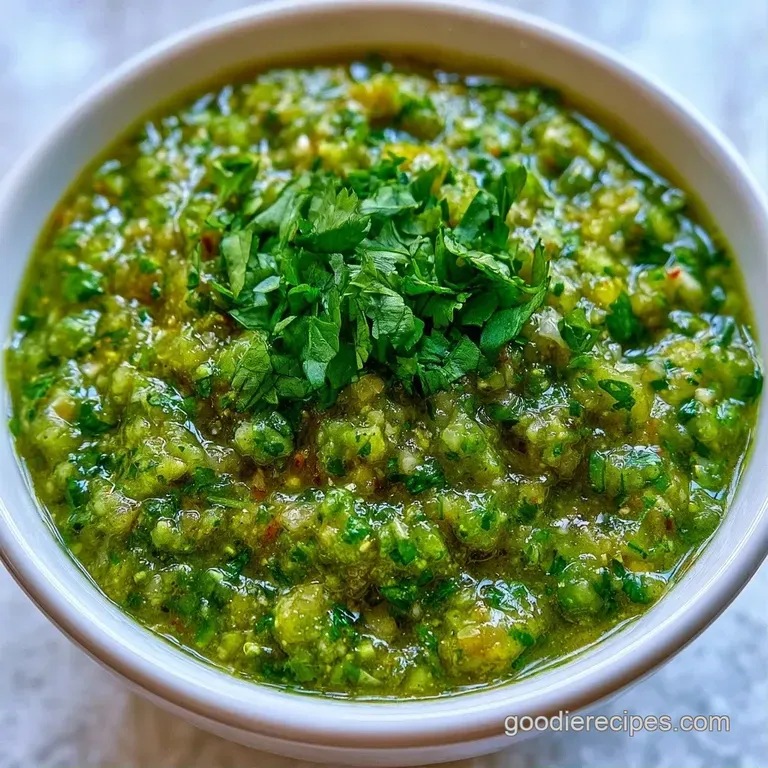
Even with a straightforward recipe, results can vary. This is typically due to the natural differences in produce.
Fixing Sharp Acid
If the sauce is overly tart, your tomatillos were likely underripe. To avoid a jam-like sweetness, skip the sugar and add a bit more salt. This helps neutralize the acidity while enhancing the savory, roasted flavors.
Correcting a Watery Consistency
A thin sauce usually happens if the tomatillos were extra juicy or if you over blended. To thicken it, pulse in a small piece of toasted corn tortilla or refrigerate the sauce for 2 hours to let the fibers set. For a denser texture, try this Creamy Tomatillo Sauce, which uses a richer base.
Managing Overwhelming Heat
Serrano pepper potency varies significantly. If the sauce is too spicy, mix in a tablespoon of plain yogurt or sour cream. The fats in these dairy products bind to the capsaicin, toning down the heat without masking the flavor.
Dietary Adaptations
This Traditional Mexican Green Sauce is naturally vegan and gluten-free, so it's already friendly for most diets. But you can still tweak it based on what you have in the pantry.
For a lower sodium version, swap the kosher salt for a squeeze of extra lime and a pinch of cumin. The cumin adds an earthy warmth that fills the gap left by the salt.
If you're avoiding nightshades, this is a tougher one since tomatillos and peppers are the core. However, you can use a combination of roasted green apple and a bit of horseradish for a similar tang and kick, though it won't be authentic.
Preservation Secrets
Store this in a glass jar in the cooler for about 4 days. Avoid plastic containers if you can, as the acidity in the lime and tomatillos can sometimes react with the plastic over time, affecting the taste.
For long term storage, this freezes surprisingly well. Put it in freezer safe bags, squeezing out all the air. It stays good for 3 months. When you thaw it, give it a quick shake or a whirl in the blender, as some separation is normal.
Don't toss your cilantro stems. They actually hold more flavor than the leaves. I usually chop the stems finely and sauté them with the onions or throw them right into the blender with the roasted veg to reduce waste.
Perfect Complements
This sauce is a powerhouse for tacos, but don't stop there. It's brilliant on grilled pork (Carnitas) or as a marinade for chicken thighs. The acidity cuts right through fatty meats.
I've also found it works as a bold topping for poached eggs or avocado toast. If you're looking for a seafood pairing, try it drizzled over Golden Seared Cod for a bright, zesty contrast to the butter.
| Budget Item | Premium Choice | Impact | Savings |
|---|---|---|---|
| Canned Tomatillos | Fresh Tomatillos | Less smoky, more acidic | $2-3 |
| Jalapeños | Serrano Peppers | Milder heat profile | $1 |
| Dried Cilantro | Fresh Cilantro | Lacks brightness | $1 |
Key Techniques Explained
The secret lies in the roasting and blending process, which allows you to control the intensity of the flavors.
High Heat Charring: Broiling the vegetables neutralizes the sharp acidity of the tomatillos and caramelizes the onions. This transforms the taste from a raw, "green" flavor into a deep, savory profile.
Pulse Blending: By using short bursts instead of running the blender on high, you keep the sauce from becoming too thin. This preserves a rich, slightly chunky texture that helps the sauce cling to your food.
Be patient with the roasting; wait until those dark brown spots appear on the tomatillos, as that is where the most flavor is concentrated. The goal is to create a balance between the charred vegetables and a bright lime finish. Once you move away from the raw method, you'll never go back.
Recipe FAQs
What is the green sauce served at Mexican restaurants?
This sauce is called salsa verde. It traditionally uses roasted tomatillos and serrano peppers to get its signature tangy flavor.
How to make traditional salsa verde?
Roast tomatillos, peppers, onion, and garlic under a high broiler for 5 to 8 minutes. Blend these charred vegetables with cilantro, lime juice, and salt until smooth.
Can tomatillos be used raw or must they be cooked?
Roast them under the broiler until they blister and turn mahogany. This process mellows the raw acidity and adds a smoky depth.
Is it true that salsa verde lowers cholesterol?
Surprisingly, no. While it uses healthy vegetables, there is no clinical evidence that this sauce directly reduces cholesterol levels.
Which ingredients provide the tartness in this recipe?
Tomatillos and fresh lime juice create the bright, acidic profile. A pinch of salt helps balance this sharpness.
Thin out the sauce by adding what if it is too thick?
Stir in water one tablespoon at a time. Continue adding small amounts until you reach your preferred texture.
Suggest some foods that pair well with this sauce?
This works perfectly as a dip or as a topping for grilled meats. If you enjoyed the sweet tart flavor profile of this dish, you'll also love our zesty lemon pasta.
Traditional Mexican Green Sauce